
Prolotherapy in Antalya
Assessment of prolotherapy for selected cases of persistent musculoskeletal pain, joint laxity and back or neck pain in Antalya.
Prolotherapy in Antalya: An Option for Selected Persistent Pain and Joint Laxity
Prolotherapy is an injection technique used for selected painful conditions involving ligaments, tendons or joint capsules. A solution, commonly containing dextrose, is injected at the chosen site. The proposed aim is to stimulate a local tissue response. At Dr. Serap Erkeç Alkan's clinic in Antalya, prolotherapy is considered following an individual assessment. Clinical evidence and results vary by condition, and permanent pain relief or tissue repair cannot be guaranteed.
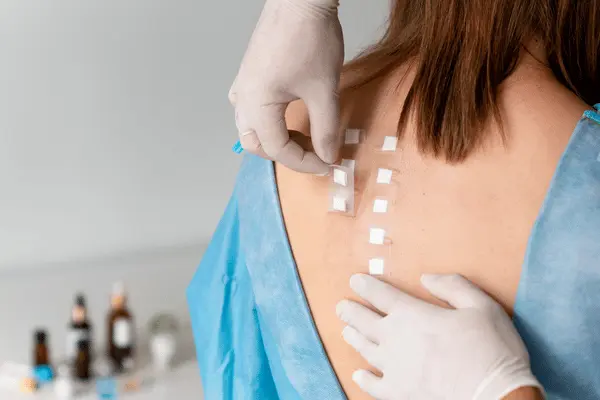
What Is Prolotherapy and How Is It Intended to Work?
Ligament or tendon problems can contribute to pain and a feeling of instability around a joint. Prolotherapy is one of the options sometimes considered in this setting, alongside rehabilitation and other treatments.
Stages of the Procedure and Proposed Response
Injection
A dextrose-containing solution is injected at a selected site, such as a tendon or ligament attachment. Ultrasound guidance or anatomical landmarks may be used according to the procedure.
Proposed Tissue Response
The proposed mechanism involves stimulating a local repair response and collagen production over time. The extent to which this translates into clinical improvement varies.
Functional Goals
Treatment aims to improve comfort and joint function. Rehabilitation is important in building strength and control, and a stable, pain-free result cannot be promised.
Local Inflammatory Response
The injected solution is intended to produce a controlled local tissue response. Temporary discomfort may occur after the procedure.
Conditions for Which Prolotherapy May Be Discussed
Prolotherapy may be considered for selected persistent pain or joint laxity symptoms after assessment of the underlying cause.
Persistent Back and Neck Pain
Ligament and joint-related problems can contribute to mechanical spinal pain.
Treatment focus: Assessment identifies whether a ligament-related pain source is plausible and whether an injection approach may have a role. Prolotherapy does not replace assessment of a disc problem or neurological symptoms.
Joint Laxity and Instability
Repeated sprains, previous injuries or joint hypermobility may cause a feeling of giving way and pain.
Examples discussed during assessment include:
Knee ligament symptoms: Persistent symptoms after a partial collateral ligament injury.
Shoulder instability: Symptoms after dislocation, which may also require specialist surgical assessment.
Ankle instability: Recurrent sprains or a persistent feeling that the ankle may give way.
Osteoarthritis
In selected cases of osteoarthritis, prolotherapy may be discussed with the aim of managing pain and improving function.
Our approach: If it is considered alongside PRP, the rationale, evidence, alternatives and additional risks should be discussed. Combining treatments does not guarantee cartilage regeneration or a better outcome.
Tendon and Ligament Conditions
Persistent pain at a tendon or ligament attachment may prompt assessment for an injection option.
Examples include:
Tennis elbow or golfer's elbow
Achilles tendon or plantar heel pain
Coccyx pain, after the source of symptoms has been assessed
Prolotherapy Assessment at Our Antalya Clinic
If you have persistent joint pain, recurrent sprains or a feeling of instability, an assessment can help identify the cause and suitable options. Contact Dr. Serap Erkeç Alkan's clinic in Muratpaşa, Antalya to discuss an individual care plan.
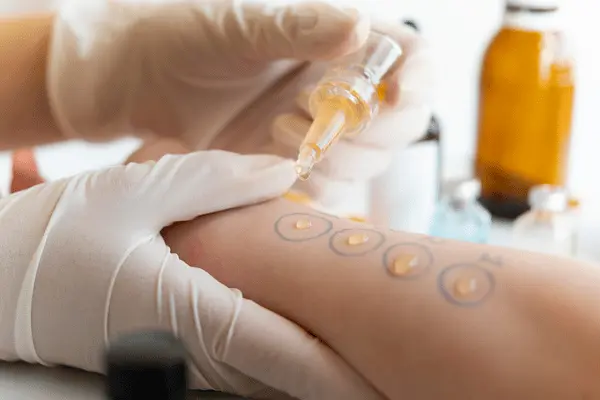
Specialist Assessment and Safety
Dr. Serap Erkeç Alkan considers the injection site's anatomy, nearby nerves and blood vessels, and each patient's medical history when planning a procedure.
Identifying the Treatment Site
A careful examination and diagnosis guide selection of any proposed tendon or ligament injection site.
Integration with Rehabilitation
When prolotherapy is used, an accompanying orthopaedic or sports rehabilitation programme can address muscle strength and joint control. Exercise progression is adapted to the patient's response.
Frequently Asked Questions
PRP is prepared from the patient's blood and contains concentrated platelets. Prolotherapy commonly uses a dextrose-containing solution intended to provoke a local tissue response. Their proposed mechanisms, evidence and suitable uses differ.
Discomfort can occur during and after an injection, and temporary soreness or swelling may follow. Pain is not proof that treatment is working. Follow the clinician's aftercare advice and report severe or increasing symptoms.
It may be considered in selected cases where a ligament-related pain source is suspected. Back pain has many causes, so diagnosis and discussion of evidence and alternatives are essential. It cannot be assumed to restore spinal stability or remove nerve compression.
The plan depends on the diagnosis and response. A series of appointments may be proposed, with regular review. Permanent tissue strengthening or lasting pain relief cannot be guaranteed.
Active infection, allergies, bleeding problems, relevant medicines, pregnancy and significant medical conditions need assessment. A clinician reviews the history and proposed injection before deciding whether treatment is appropriate.

