Image-Guided Injections in Antalya
Assessment for targeted, image-guided injections for selected back, neck and joint pain conditions with Dr. Serap Erkeç Alkan in Antalya.
Image-Guided Injections in Antalya: Targeting a Specific Pain Source
Persistent back or neck pain, radiating leg symptoms and shoulder pain can limit daily life. If previous care has not helped, reassessment may identify a specific structure that could benefit from a targeted injection.
At Dr. Serap Erkeç Alkan's clinic in Antalya, image guidance may be used to help place medication near a selected nerve root, joint or other structure. These procedures are considered within a broader rehabilitation plan. Suitability and results vary, and an injection does not always remove the need for surgery.

What Is an Image-Guided Injection?
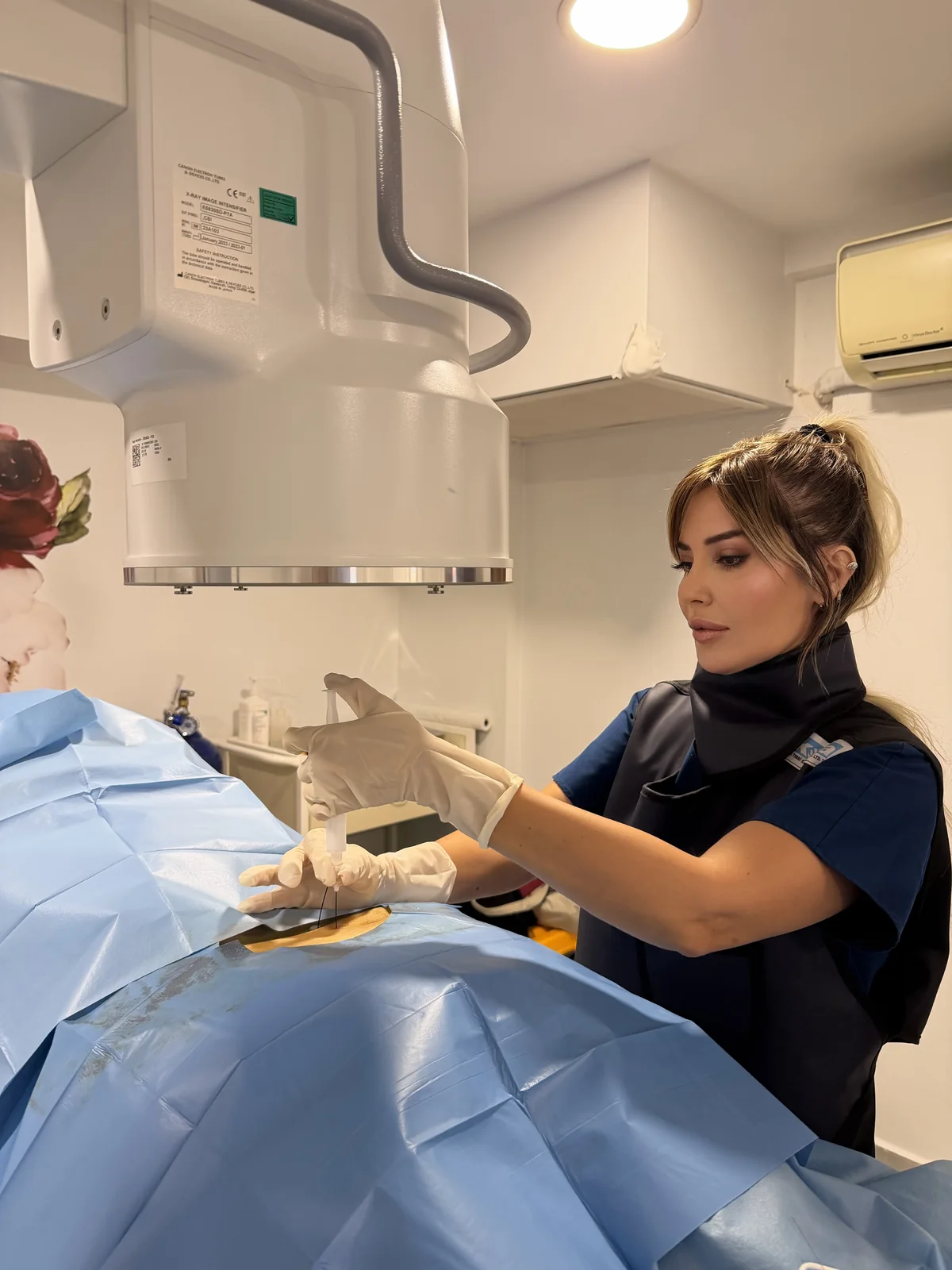
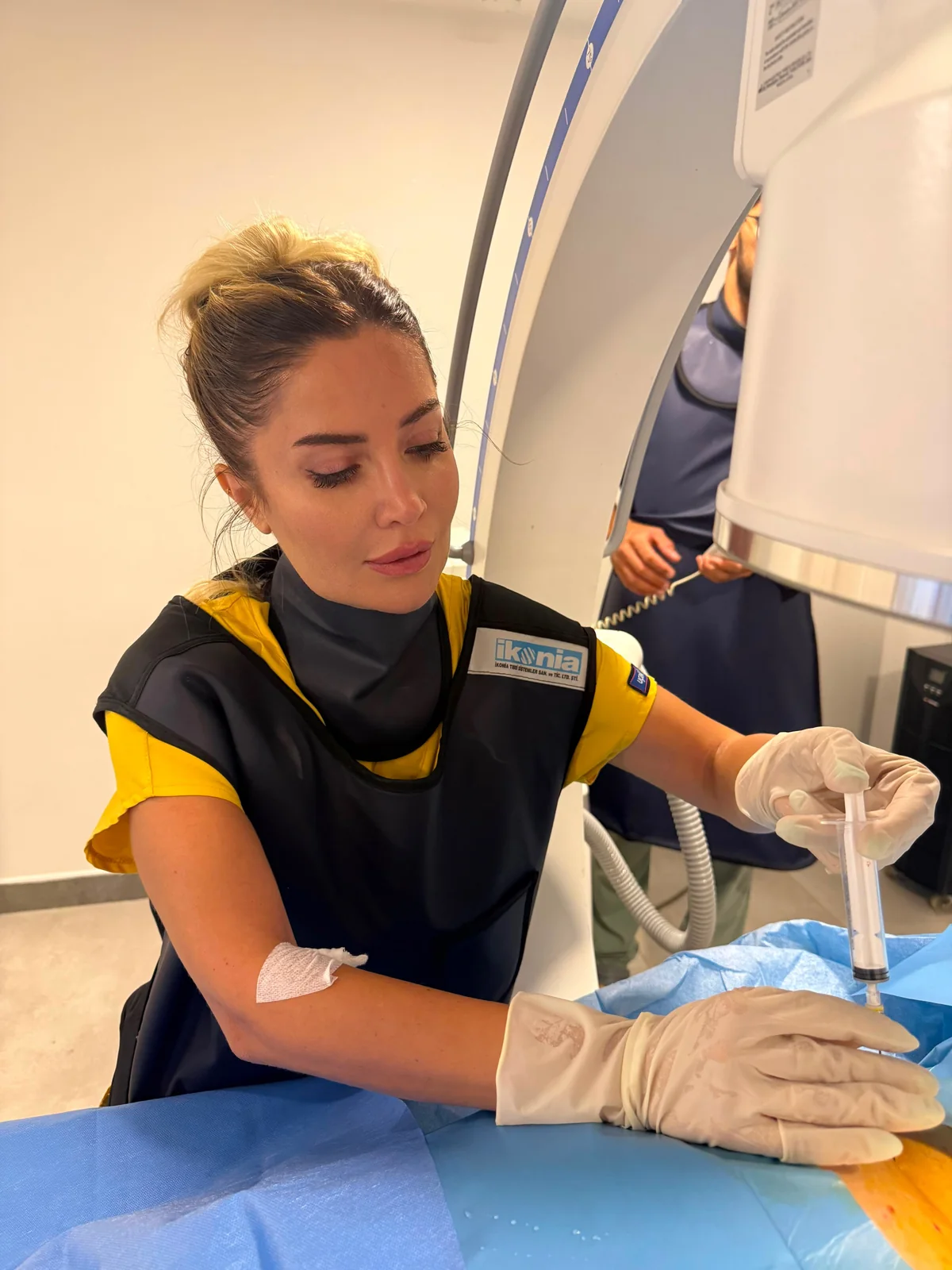
The Turkish term nokta atışı tedavi refers broadly to a precisely targeted treatment. Depending on the diagnosis, this may mean a transforaminal epidural injection, facet joint injection or another local procedure. Ultrasound or fluoroscopy may be used according to the target.
A selected medicine, often a local anaesthetic and/or corticosteroid, is placed at the intended site. The aim may be to reduce inflammation, assess a pain source or provide symptom relief. Medication can still have effects elsewhere in the body, and relief is neither necessarily immediate nor permanent.
When May a Targeted Injection Be Considered?
A targeted injection may be considered after assessment identifies a suitable source of nerve-related or joint pain. Examples include:

Lumbar or Cervical Disc Symptoms and Spinal Stenosis
Disc-related nerve irritation can cause radiating pain, tingling or numbness. In selected patients, an epidural or nerve-root injection may help reduce symptoms. It does not physically remove a disc protrusion or reverse spinal narrowing. Our lower back and neck care plans consider neurological findings, rehabilitation needs and whether a surgical opinion is required.
Shoulder, Knee and Other Joint Pain
For selected cases of frozen shoulder, tendon-related pain or osteoarthritis, a joint or bursal injection may help manage symptoms. The procedure depends on the diagnosis and should not be assumed to release adhesions or provide instant relief. Care is combined where appropriate with exercises and rehabilitation for shoulder conditions or knee conditions.
Nerve Entrapment and Selected Persistent Pain
Ultrasound-guided procedures may be considered for some nerve entrapments, such as carpal tunnel syndrome, after assessment. The target, medicine, expected benefit and risks are explained individually. Progressive weakness requires prompt medical review.
Combining Symptom Relief with Rehabilitation
Reducing pain can make it easier to participate in exercises and daily activities. An injection may therefore be one part of a rehabilitation plan rather than a complete treatment on its own.
Depending on the diagnosis, care may include neurological rehabilitation, or a separate assessment for radiofrequency ablation. Other options, including neural therapy or PRP, require their own indication and discussion of benefits and limitations.

Image-Guided Procedures with Dr. Serap Erkeç Alkan
These procedures require careful anatomical assessment and appropriate needle placement. Dr. Serap Erkeç Alkan selects the medicine and dose according to the patient and procedure, using image guidance where appropriate. Sterile technique and monitoring help reduce risks, but no procedure has a zero risk of complications.
Frequently Asked Questions
Timing depends on the target and procedure. Local anaesthesia may reduce discomfort, but pressure or pain can still occur. The clinician explains the expected duration and observation period.
Some procedures use a corticosteroid, sometimes with local anaesthetic. Local placement does not prevent all systemic effects. Risks can include temporary blood-glucose changes, flushing, infection or other complications, depending on the medicine, dose and site.
A local anaesthetic may produce short-lived early relief, while any corticosteroid effect may take several days. The extent and duration vary. Rehabilitation and follow-up help assess the overall result.
No. It may help selected nerve-related symptoms, but it does not remove the disc protrusion or guarantee that surgery can be avoided. Progressive weakness or other urgent neurological symptoms require prompt assessment.
The number depends on the procedure and response; repeat injections should not be automatic. Follow individual instructions about rest, activity, driving and warning signs after treatment.
Arrange an Assessment for Persistent Pain
Contact our clinic to discuss whether an image-guided injection or another treatment option is suitable for your symptoms.
A Look Inside Our Clinic
Dr. Serap Erkeç Alkan and scenes from our clinical setting. Suitable treatment is determined after an individual assessment.