
Neck Conditions and Treatment in Antalya
Assessment and non-surgical care for cervical disc herniation, chronic neck pain, cervical spondylosis and changes in the normal cervical curve in Antalya.
Cervical Disc Herniation and Chronic Neck Pain Treatment in Antalya
The neck supports the head and contains nerves supplying the arms and hands. Prolonged computer or phone use, posture and stress can contribute to neck discomfort. At Dr. Serap Erkeç Alkan's clinic in Antalya, we assess cervical disc herniation, age-related changes, spinal stenosis and headaches related to the neck. Personalised non-surgical care, where appropriate, aims to reduce pain and improve movement.
Neck Conditions and Sources of Pain We Assess
Pain and altered sensation around the neck may originate from vertebrae, discs, nerves or muscles. Identifying the cause helps guide treatment. Conditions assessed at our clinic include:
Cervical Disc Herniation
A herniated cervical disc can press on nerves travelling from the neck into the arm. Symptoms may include pain radiating into the arm and fingers, electric-shock sensations, numbness, tingling or weakness.
Treatment focus: Non-surgical care aims to manage nerve-related symptoms and improve function when appropriate. The need for surgery depends on the findings, severity and progression of symptoms.
Cervical Spondylosis
Cervical spondylosis describes age-related changes in the neck joints and discs. Bone spurs may develop, and stiffness can be more noticeable in the morning. Any associated dizziness should be assessed rather than automatically attributed to the neck.
Treatment approach: Rehabilitation, suitable manual therapy and selected additional treatments may help manage pain and stiffness and improve mobility.
Cervical Spinal Stenosis
The spinal canal in the neck may narrow because of degenerative changes, a herniated disc or thickened ligaments. Pressure on the spinal cord or nerves can cause arm symptoms and, in more advanced cases, leg weakness or difficulty walking.
Treatment approach: Management depends on whether the spinal cord is affected and on symptom severity. Selected injections may be considered for nerve-root pain where appropriate. Weakness or changes in walking require prompt assessment and may warrant a surgical opinion.
Loss of Cervical Lordosis
This describes a reduction in the neck's usual C-shaped curve. It may be seen with muscle spasm or posture-related changes. Neck stiffness, upper back discomfort and headaches may accompany it, although an imaging finding alone does not establish the cause of pain.
Treatment approach: Posture assessment, appropriate manual therapy and targeted rehabilitation exercises aim to improve muscle function and reduce stiffness.
Cervicogenic Headache
A cervicogenic headache arises from structures in the neck, such as joints or muscles. It is often one-sided and may be triggered by neck movement. Assessment helps distinguish it from migraine and other types of headache.
Treatment approach: Selected procedures such as radiofrequency ablation or other injections may be discussed when a specific neck-related pain source has been identified. Relief varies and is not necessarily permanent.
Myofascial Pain and Muscle Trigger Points
Tender, tight areas can develop in neck and shoulder muscles, including the trapezius and levator scapulae. Stress, sustained posture and muscle overuse can contribute to symptoms.
Treatment approach: Dry needling may be used to address muscle trigger points. Other local approaches, including mesotherapy, can be discussed alongside exercise and advice on daily activities.
Neck Care at Our Antalya Clinic
Specialist assessment, accessible follow-up and advice on posture and ergonomics are important parts of neck care. Our clinic in Muratpaşa, Antalya welcomes patients from the city and surrounding provinces.
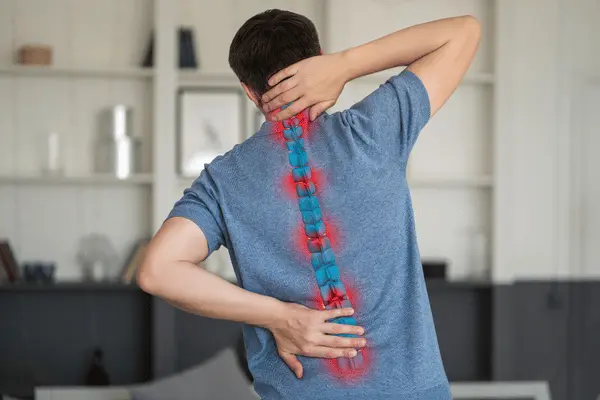
Local Specialist Care
Treatment and rehabilitation plans take account of work demands, including office and tourism work, and the patient's ergonomic needs and return-to-work goals.
Coordinated Treatment
For conditions ranging from cervical disc herniation to neck-related headache, care may combine selected interventional pain procedures with posture and movement rehabilitation under specialist supervision.
Targeted Assessment and Care
For chronic neck pain or numbness, assessment identifies the likely cause and helps select appropriate rehabilitation or injection options when surgery is not required.
Individual Plans for Non-Surgical Neck Care
At our Antalya clinic, Dr. Serap Erkeç Alkan combines suitable approaches with the aim of reducing pain and restoring function. Treatment choices depend on the diagnosis and individual needs.
Injection Treatments and Rehabilitation Support
Prolotherapy: This may be discussed for selected ligament-related pain or instability. Its potential role, limitations and suitability require an individual assessment.
PRP: Platelet-rich plasma is an option considered for some musculoskeletal conditions. Its role in cervical disc and joint conditions is uncertain and should not be presented as proven disc repair or prevention of degeneration.
Targeted Interventional Pain Treatments
Radiofrequency ablation: In selected cases of facet-related neck pain or cervicogenic headache, treatment of the relevant sensory nerves may provide pain relief for a period of time.
Neural therapy: This may be discussed as an additional approach to selected neck, shoulder or arm pain, following assessment of any neurological symptoms.
Dry needling: This may help manage trigger-point and muscle-related pain and support movement as part of rehabilitation.
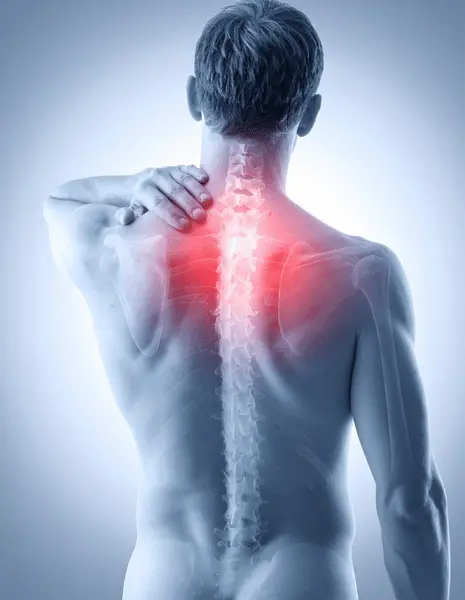
Frequently Asked Questions
Many patients improve with appropriate non-surgical care. Treatment may include medicines, activity advice and rehabilitation. Progressive weakness, spinal cord involvement or persistent disabling symptoms require specialist review and may change the plan.
The imaging appearance does not always need to change for symptoms to improve. Treatment focuses on pain, movement and function through appropriate exercises, posture advice and other suitable care. A complete or permanent correction cannot be guaranteed.
Symptoms may be linked to neck movement and can travel from the neck towards one side of the head. Examination helps distinguish this from other headaches. In selected cases, a diagnostic block may contribute to the assessment.
Their role in cervical disc conditions is not established as a means of repairing discs or preventing recurrence. Any proposed use requires a clear diagnosis and discussion of the evidence, risks and alternatives.
These findings can coexist, but one does not automatically cause the other. Neck pain and disc symptoms have several contributing factors. Assessment should focus on the symptoms, examination and any relevant imaging rather than a single posture finding.

