Orthopaedic Rehabilitation in Antalya
Orthopaedic rehabilitation in Antalya for joint replacement, spinal pain and recovery after spinal surgery.
Orthopaedic Rehabilitation in Antalya: Function Before and After Surgery
Orthopaedic rehabilitation aims to restore movement, strength and endurance after an injury, operation or chronic condition affecting joints, muscles, bones, tendons or ligaments. The goal is to help patients return to daily activities with better comfort and function. At Dr. Serap Erkeç Alkan's clinic in Antalya, individual programmes address needs ranging from spinal conditions to recovery after major joint surgery.

Orthopaedic Conditions We Support
Our clinic provides rehabilitation for a range of orthopaedic problems managed both surgically and without surgery.
Knee and Hip Replacement
Rehabilitation after total knee or hip replacement plays an important role in regaining everyday function.
Rehabilitation focus: Mobilisation begins according to the surgical team's instructions. Care aims to improve joint movement, rebuild strength and develop a safe walking pattern.
Rehabilitation After Fractures and Dislocations
Joint stiffness and muscle weakness are common after a cast is removed or following surgical fixation with plates or screws.
Focus: Gradually restoring movement, including with appropriate manual therapy, and rebuilding strength around the injured area. Progression respects healing, especially in joints prone to stiffness such as the elbow and ankle.
Rehabilitation After Spinal Surgery
After surgery for lumbar or cervical disc herniation or spinal stenosis, rehabilitation helps restore function and support around the spine.
Focus: Core strengthening, posture advice and learning movement strategies for everyday tasks, in line with postoperative restrictions.
Persistent Joint and Spinal Pain: Non-Surgical Care
Conditions include osteoarthritis, lumbar and cervical spondylosis, and facet-related pain that can be managed without surgery.
Focus: Improving musculoskeletal function and managing pain through individual rehabilitation. Additional treatments such as PRP, prolotherapy or neural therapy may be discussed where appropriate.
Rehabilitation After Shoulder Surgery
After rotator cuff repair, surgery for shoulder instability or a procedure for frozen shoulder, rehabilitation supports a gradual and safe return of shoulder movement.
Focus: Improving shoulder-blade control and progressively strengthening the muscles around the shoulder to support joint stability and function.
Individualised Orthopaedic Rehabilitation in Antalya
Our orthopaedic rehabilitation service combines specialist supervision with an approach that considers the patient's overall needs.

Physician-Led Care
Dr. Serap Erkeç Alkan oversees the rehabilitation plan from assessment onwards. Exercise timing and progression are adapted to the condition, postoperative instructions and the patient's response.
Coordinated Treatment Options
Care may combine pain-management procedures, appropriate manual therapy and progressive rehabilitation exercises within one clinic.
Accessible Location
Our central location in Muratpaşa, Antalya helps patients attend regular sessions, an important part of rehabilitation.
Additional Treatments Alongside Orthopaedic Rehabilitation
In addition to physical exercise, selected treatments may be considered under specialist supervision to help manage symptoms and support participation in rehabilitation.
Platelet-Rich Plasma (PRP)
An option discussed for selected joint, tendon or ligament conditions, with an individual explanation of the evidence, potential benefits and limitations.
Prolotherapy
An injection approach that may be considered in selected cases of ligament-related pain or joint laxity alongside orthopaedic rehabilitation.
Manual Therapy
Appropriate hands-on techniques may help improve restricted movement after a fracture or joint replacement, while respecting healing and surgical precautions.
Neural Therapy
An additional approach that may be discussed for selected persistent pain symptoms, alongside appropriate rehabilitation and follow-up.

Frequently Asked Questions
No. It also supports people with non-surgical conditions such as spinal osteoarthritis, frozen shoulder or tennis elbow. The aim is to improve movement, strength and everyday function while managing pain.
It often begins in hospital soon after surgery, when the surgical team considers it appropriate. Progress continues over several months and may extend to a year or more. The programme follows the operation's precautions and individual recovery.
Some muscle fatigue or mild discomfort can occur, but sharp, severe or increasing pain should be reported. Exercises are adjusted to the condition and response rather than pushed through regardless of symptoms.
Appropriate hands-on techniques may help manage stiffness and improve movement. They are selected according to healing and any surgical restrictions and are usually combined with active exercises.
They may be considered for selected diagnoses, but adding an injection does not automatically improve or prolong the result. Expected benefits, risks and evidence should be discussed separately from the rehabilitation plan.
Meet Your Specialist and Our Clinic
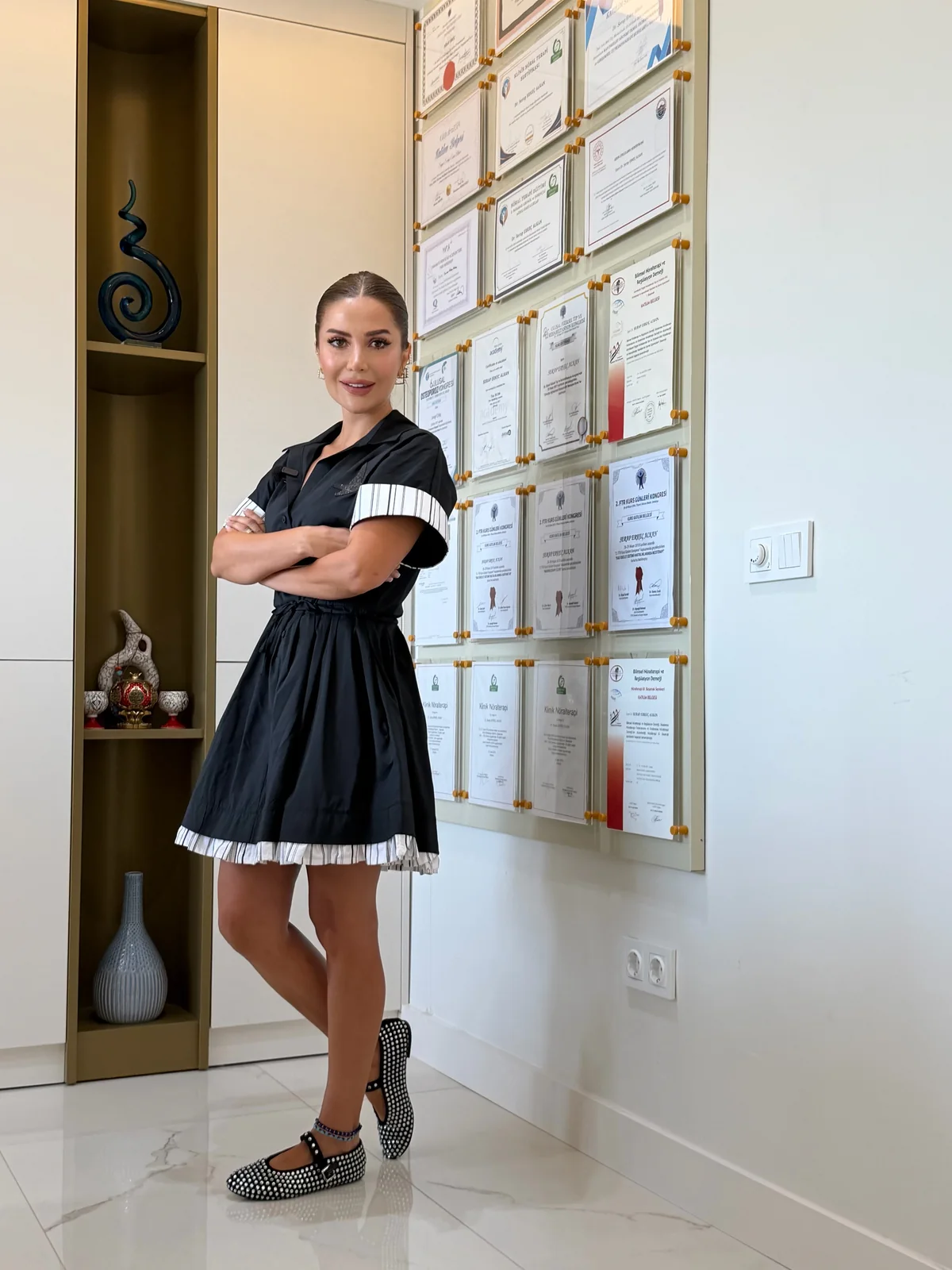
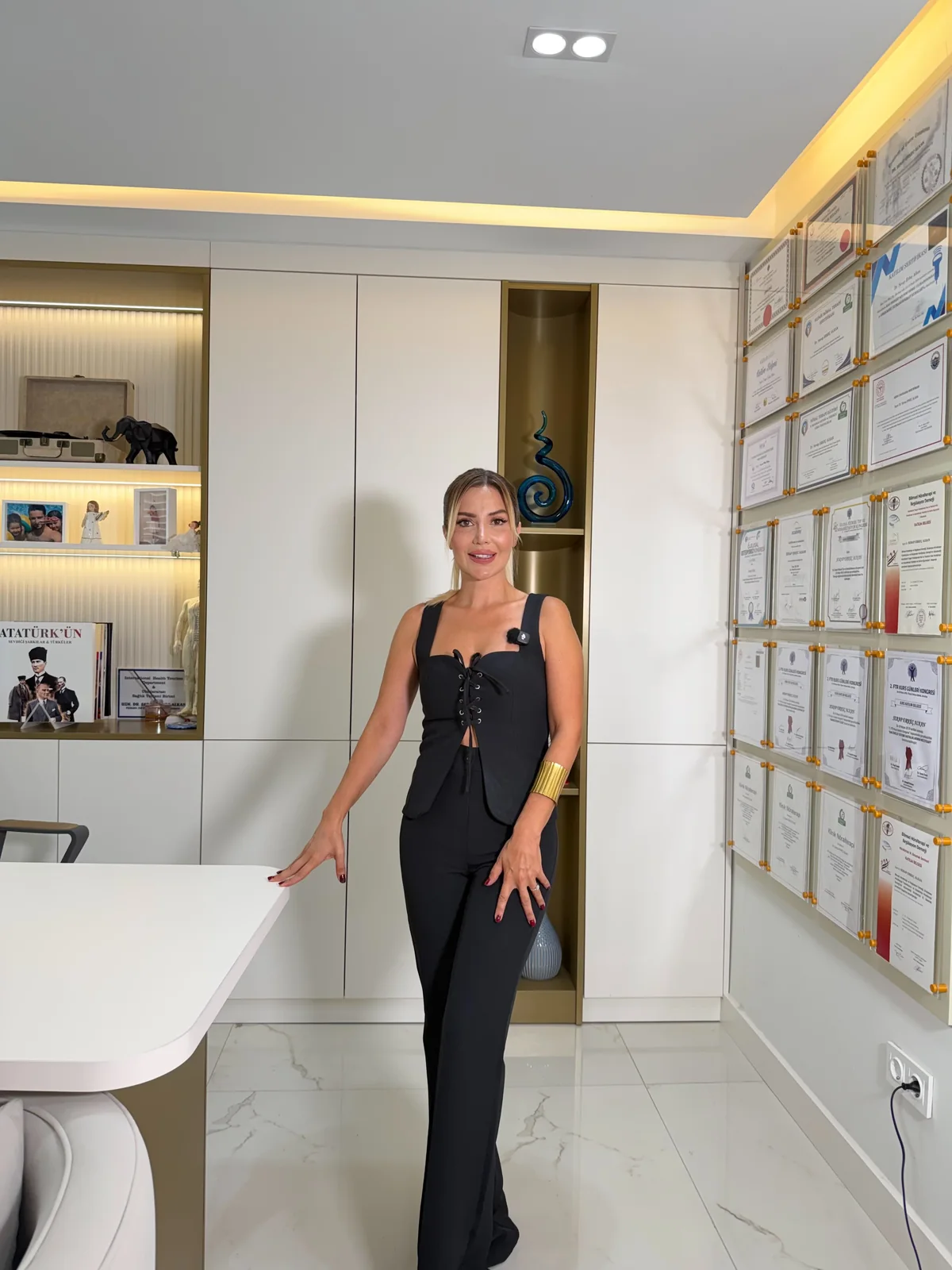
Dr. Serap Erkeç Alkan welcomes patients at her Antalya clinic. Treatment options are discussed after an individual medical assessment.