Sports Rehabilitation in Antalya
Individual sports rehabilitation programmes in Antalya for sports injuries, knee injuries and muscle injuries.
Sports Rehabilitation in Antalya: A Safe Return to Activity
Sport is an important part of life, but training and competition also carry a risk of injury. Sports rehabilitation aims to restore strength, function and performance, as well as support tissue recovery. At Dr. Serap Erkeç Alkan's clinic in Antalya, we offer individualised sports rehabilitation for professional and recreational athletes. The goal is a safe return to training or competition while addressing factors that may increase the risk of reinjury.

Sports Injuries We Assess
Our clinic provides rehabilitation for sports injuries affecting areas from the shoulder to the ankle, including recovery after surgery and conditions suitable for non-surgical care.
Knee Injuries: ACL, Meniscus and Ligaments
Knee injuries are common in sports involving sudden changes of direction, such as football, basketball and skiing. Rehabilitation after anterior cruciate ligament reconstruction and meniscal repair is an important part of our work.
Rehabilitation focus: Restoring knee stability, improving the balance of strength between the quadriceps and hamstrings, and practising safe jumping and landing techniques.
Shoulder and Elbow Injuries
These injuries are common in overhead and racket sports, including volleyball, handball and tennis. We assess conditions such as rotator cuff tears, shoulder impingement, tennis elbow and golfer's elbow.
Rehabilitation focus: Improving dynamic control around the shoulder and shoulder blade and developing coordinated muscle activity during throwing or serving.
Tendon and Muscle Injuries
Examples include Achilles tendinopathy, patellar tendinopathy (jumper's knee), muscle tears affecting the hamstrings or calf, and muscle strains related to excessive loading.
Rehabilitation focus: Progressive, sport-specific loading, including eccentric exercises where appropriate, aims to build tendon and muscle capacity. Additional options such as PRP may be discussed for selected injuries.
Sports-Related Back and Neck Injuries
Sports involving repeated twisting, bending or heavy loading, such as weightlifting, golf, wrestling and gymnastics, place demands on the spine. Disc-related symptoms and facet joint pain may occur.
Rehabilitation focus: Improving core strength and the endurance of muscles supporting the spine to manage the demands of the sport.
Sports Rehabilitation at Our Antalya Clinic
Antalya is an active centre for sport and tourism. Our sports rehabilitation service responds to the needs of professional and recreational athletes.

Sports Care in Antalya
Under Dr. Serap Erkeç Alkan's supervision, care is tailored to the demands of sports such as football, basketball and volleyball, as well as individual activities.
Specialist Supervision
A physical medicine and rehabilitation specialist oversees assessment, treatment options and decisions about returning to sport.
Return-to-Sport Criteria
At the final stage, return-to-sport decisions consider strength and functional tests, such as single-leg hopping when appropriate, alongside pain, healing and sporting demands. This helps assess readiness and address the risk of reinjury.
Methods Used in Non-Surgical and Postoperative Rehabilitation
Our sports rehabilitation programmes combine progressive exercise with additional treatments selected according to the injury, stage of healing and functional goals.
Injection Options for Selected Injuries
PRP: Platelet-rich plasma may be discussed for selected tendon, ligament or joint conditions. The likely benefits, limitations and evidence are considered individually.
Prolotherapy: This may be considered for selected ligament-related symptoms or joint laxity. It complements, rather than replaces, an appropriate rehabilitation plan.
Techniques to Support Functional Performance
Manual therapy: Appropriate techniques may help address restricted movement and muscle tension after injury.
Dry needling: This may be considered for persistent muscle trigger points and tension.
Progressive exercise: A staged programme may include jumping, agility and endurance work to prepare for the demands of training and competition.

Frequently Asked Questions
Both aim to restore function. Sports rehabilitation also prepares the athlete for sport-specific demands such as running, jumping or throwing, with strength, endurance and movement control matched to the activity.
Return to higher-demand sport commonly takes around 9–12 months or longer, depending on healing, the operation and functional progress. Time alone is not enough: strength, control and readiness must be assessed. An injection should not be used to bypass the rehabilitation milestones.
Readiness considers more than pain relief. Strength, endurance, hopping or agility tests where appropriate, movement quality and confidence help guide the decision. Limb symmetry can be one measure, but no single test eliminates the risk of reinjury.
These injections have different aims from pain-relieving medicines, but their usefulness depends on the diagnosis and evidence. They do not guarantee tissue repair and are not automatically preferable to standard care. Rehabilitation and appropriate loading remain important.
Assessment reviews activity load, strength and movement demands. Progressive tendon-loading exercises, which may include eccentric work, are adapted to tolerance. An additional treatment such as PRP may be discussed in selected cases, with its limitations explained.
Work Towards a Safe Return to Sport in Antalya
An injury can disrupt both sport and everyday life. At our clinic in Muratpaşa, Antalya, individual sports rehabilitation programmes aim to support recovery and a safe, appropriately timed return to activity.
Meet Your Specialist and Our Clinic
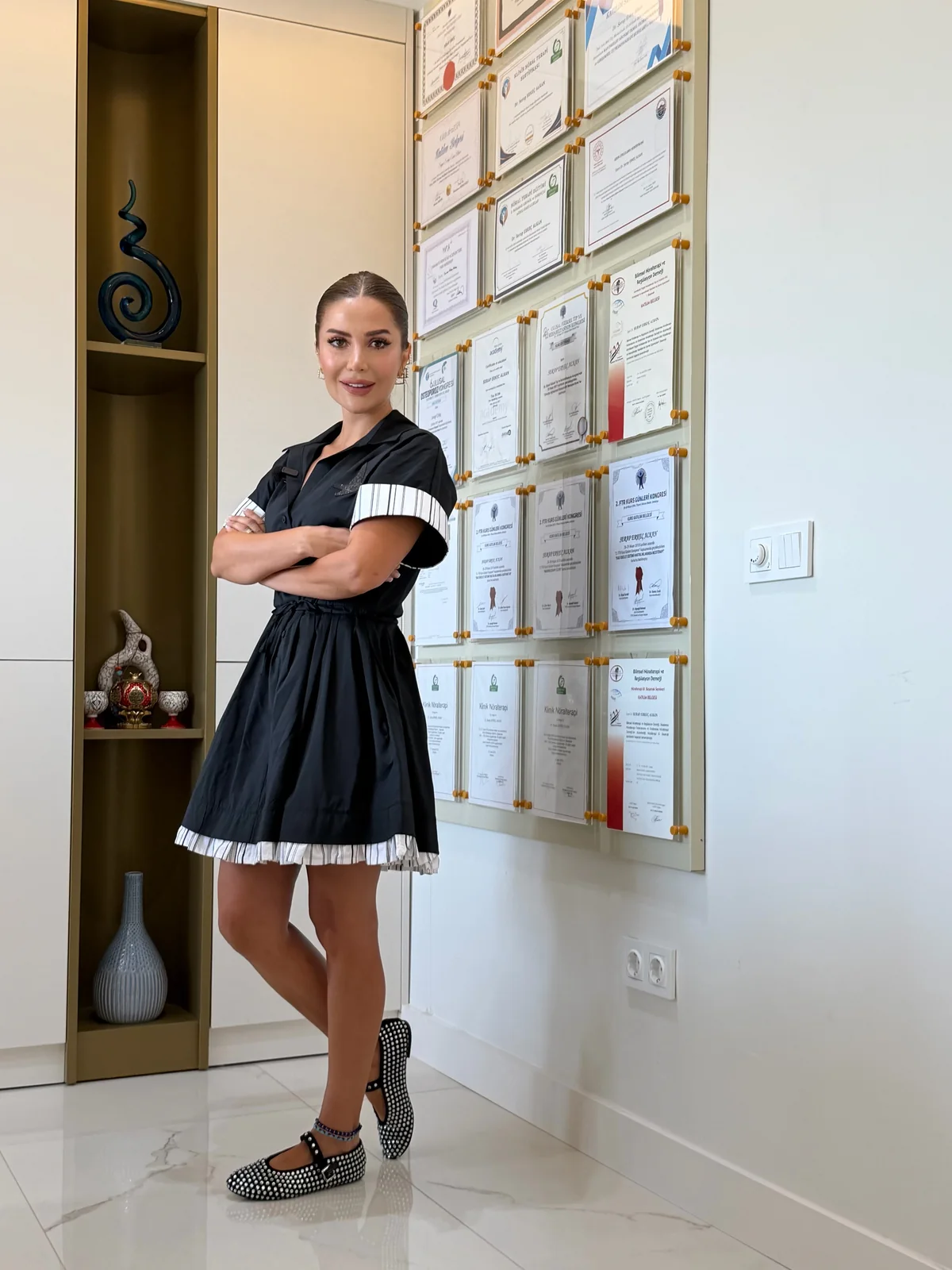
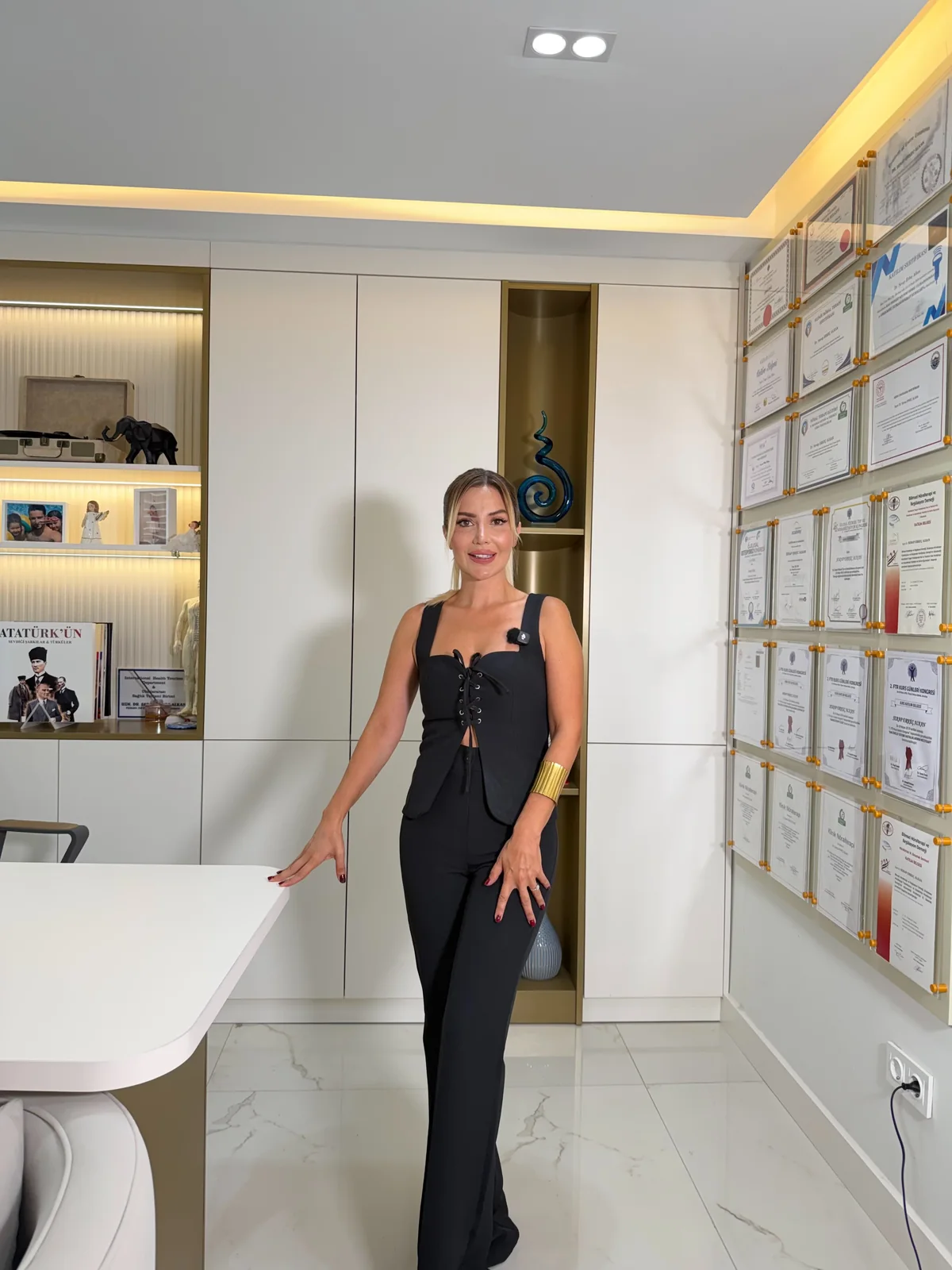
Dr. Serap Erkeç Alkan welcomes patients at her Antalya clinic. Treatment options are discussed after an individual medical assessment.