Neurological Rehabilitation in Antalya
Neurological rehabilitation in Antalya for stroke, spinal cord injury, Parkinson's disease and multiple sclerosis, with specialist supervision.
Neurological Rehabilitation in Antalya: Supporting Function After Stroke and in MS and Movement Disorders
Neurological rehabilitation aims to improve quality of life and independence when conditions affecting the brain, spinal cord or peripheral nerves impair movement, balance and coordination. A key principle is neuroplasticity, the nervous system's ability to adapt. At Dr. Serap Erkeç Alkan's clinic in Antalya, individual rehabilitation programmes support people with stroke, multiple sclerosis, Parkinson's disease and spinal cord injury in working towards their functional goals.

Neurological Conditions We Support
Rehabilitation is tailored to movement difficulties caused by different neurological conditions.
Stroke Rehabilitation
A stroke may cause weakness or paralysis on one side of the body, difficulty walking, balance problems and speech difficulties. Starting appropriate rehabilitation when medically stable is important for recovery.
Rehabilitation focus: Repeated, task-specific practice supports the nervous system's adaptation. Programmes often prioritise hand and arm use, walking and skills needed for daily activities.
Spinal Cord Injury
Damage to the spinal cord from injury or disease can cause loss of movement and sensation. Depending on the level, this may affect the lower limbs (paraplegia) or both upper and lower limbs (tetraplegia).
Treatment approach: Developing remaining abilities, managing spasticity and improving skills such as wheelchair use and transfers to support the greatest possible independence.
Rehabilitation for Multiple Sclerosis and Parkinson's Disease
MS and Parkinson's disease can affect movement and everyday function. Rehabilitation does not cure these conditions, but it can help maintain abilities, manage symptoms and support quality of life.
Treatment approach: In Parkinson's disease, work may focus on balance, rhythmic movement and walking. In MS, programmes address fatigue management and maintaining strength and endurance.
Other Neurological Conditions and Nerve Entrapments
Treatment approach: Targeted exercises address weakness associated with nerve injury. Additional local treatments may be discussed according to the diagnosis, while monitoring nerve function and recovery.
Treatment approach: A progressive orthopaedic rehabilitation programme helps restore elbow movement, strengthen the surrounding muscles and prepare for everyday activities.
Neurological Rehabilitation with Dr. Serap Erkeç Alkan in Antalya
Neurological rehabilitation requires careful follow-up, patience and a coordinated approach led by a physical medicine and rehabilitation specialist. Our clinic is located in Muratpaşa, Antalya.

Individual Rehabilitation Programmes
Programmes take account of the extent of neurological impairment, the patient's abilities and goals, and current rehabilitation principles.
Coordinated Follow-Up
Medication-related needs, spasticity management, selected procedures and exercise are considered together under specialist supervision.
Everyday Function
Progress is assessed through the patient's ability to use skills in daily life, including eating, mobility and personal care.
Additional Treatments in Neurological Rehabilitation
Exercise and task-specific practice form the basis of rehabilitation. Additional specialist treatments may be used to manage symptoms that limit participation, according to the patient's diagnosis and needs.
Neural Therapy
Any proposed additional treatment should be assessed for its individual role in symptom management. It should not be presented as a proven way to repair damaged nerves or replace established neurological rehabilitation.
Spasticity Management
Targeted injections may be used to manage excessive muscle stiffness after stroke or in conditions such as MS, helping movement and participation in rehabilitation.
Dry Needling and Manual Therapy
Appropriate treatment of painful muscle tension may help patients take part in rehabilitation exercises more comfortably.

Frequently Asked Questions
Neuroplasticity is the nervous system's ability to adapt its connections and function. Repeated, meaningful and task-specific practice can help make use of this capacity during rehabilitation.
It should begin when medically appropriate and the patient is stable. Recovery is often most noticeable in the early months, but learning, adaptation and functional gains can continue much longer. The timetable is individual.
Spasticity is increased muscle tone associated with damage to the brain or spinal cord. It can affect movement and comfort. Management may include positioning, suitable stretching, medicines and targeted injections, depending on the goals and severity.
The aim is to maintain function and quality of life rather than cure the condition. Programmes may address walking, balance, strength, fatigue and falls risk.
Regular practice helps reinforce skills learned in rehabilitation. A manageable home programme and appropriate support can help, but outcomes also depend on the condition and many factors beyond motivation alone.
Meet Your Specialist and Our Clinic
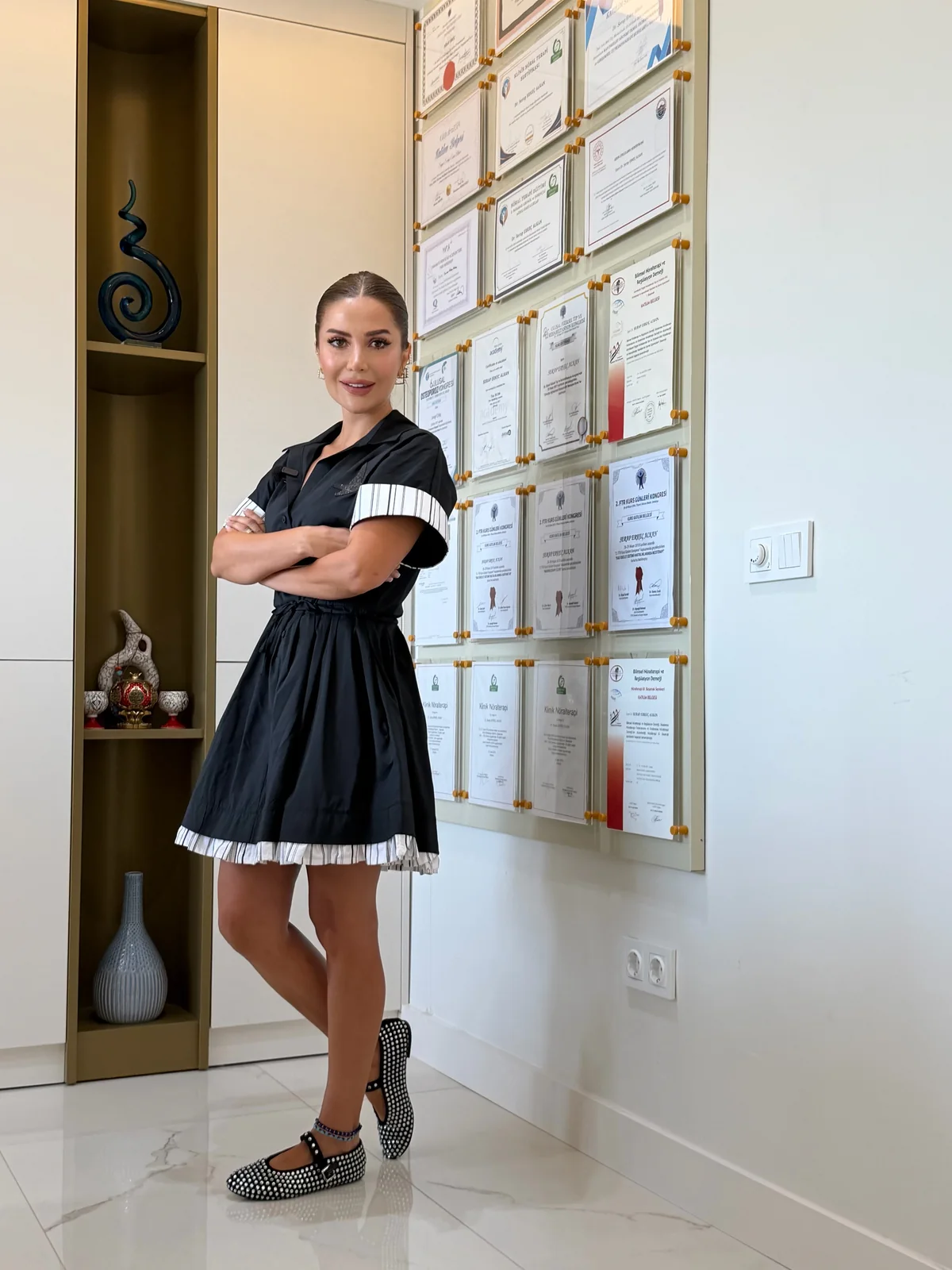
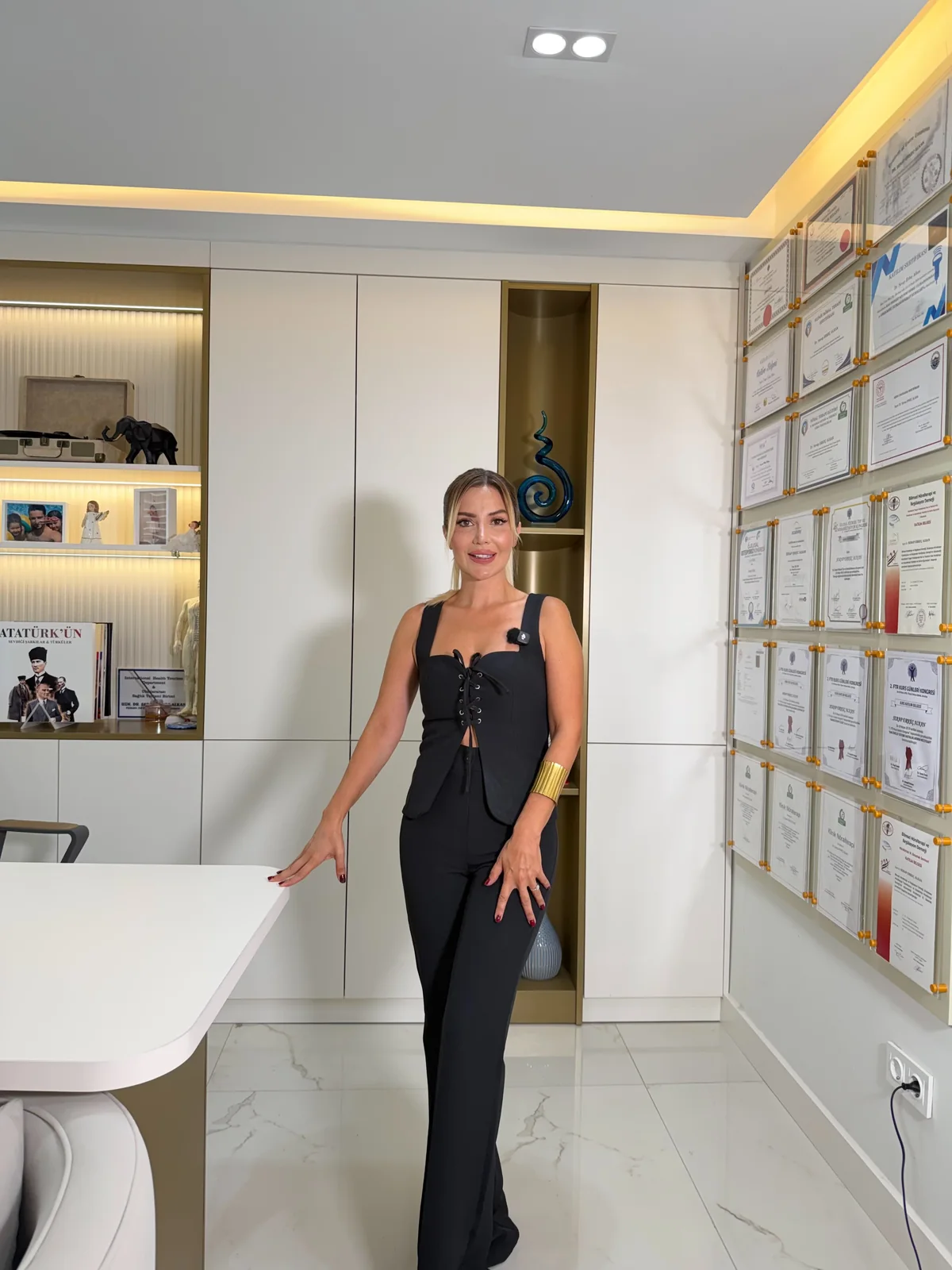
Dr. Serap Erkeç Alkan welcomes patients at her Antalya clinic. Treatment options are discussed after an individual medical assessment.