Lumbar Disc Herniation Treatment in Antalya
Explore individualised, non-surgical treatment options for lumbar disc herniation in Antalya with Dr. Serap Erkeç Alkan. Suitability for approaches such as prolotherapy and neural therapy is assessed individually.
Lumbar Disc Herniation in Antalya: Non-Surgical and Individualised Care
Lumbar disc herniation is a common condition that can have a considerable effect on quality of life. A sedentary lifestyle, poor posture and lifting can contribute to back problems. Pain radiating from the lower back into the leg, numbness and weakness may occur with a herniated disc. Some people delay seeking help because they fear surgery. An assessment with Dr. Serap Erkeç Alkan in Antalya can help clarify the cause of symptoms and whether non-surgical treatment is appropriate.
What Is Lumbar Disc Herniation and How Does It Develop?
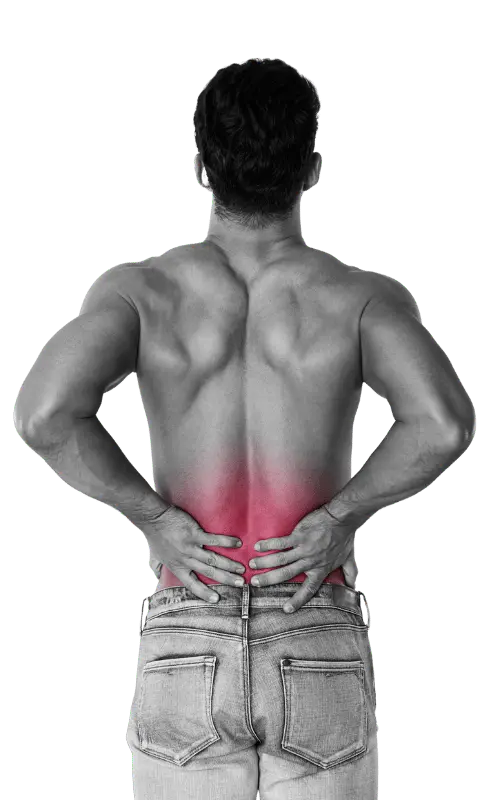
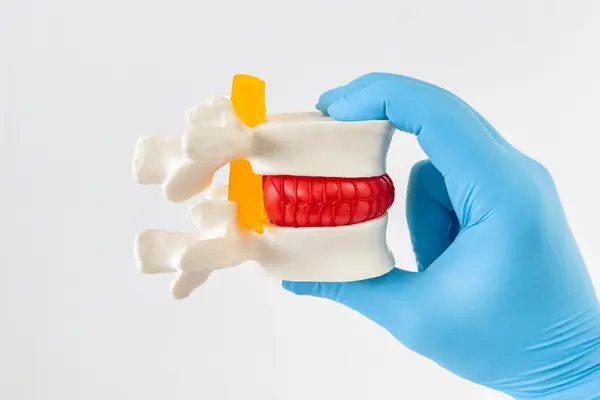
The discs between the vertebrae help the spine remain flexible and absorb impact. Each has a tough outer layer, the annulus fibrosus, and a gel-like centre, the nucleus pulposus. A herniated disc occurs when some of the inner material protrudes through the outer layer towards the spinal canal and may press on nearby nerves.
This pressure can cause sciatica: pain that travels from the buttock down the leg and may feel burning or like an electric shock.
Risk Factors for Lumbar Disc Herniation
When Should You See a Physical Medicine and Rehabilitation Specialist?
It is important to assess the difference between uncomplicated back pain and symptoms that may involve a nerve. Seek medical advice if you experience one or more of the following symptoms. New weakness or bladder or bowel symptoms require urgent assessment.
Sciatica:
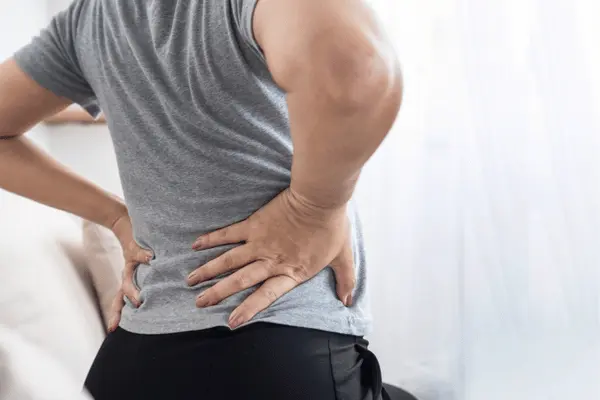
Sharp pain extending from the lower back through the buttock and leg towards the toes, on one or both sides.
Numbness and Tingling:
Reduced sensation, tingling or an electric-shock sensation in the feet, legs or buttocks.
Weakness or Foot Drop:
Difficulty lifting the front of the foot or walking on tiptoes. New or worsening weakness requires urgent medical assessment.
Loss of Bladder or Bowel Control:
This can indicate a rare but serious emergency requiring immediate assessment and potentially urgent surgery.
Individualised Non-Surgical Care for Lumbar Disc Herniation in Antalya
Dr. Serap Erkeç Alkan assesses whether a less invasive approach is suitable for each patient. Treatment aims to support recovery and reduce disc-related pain through an individual care plan. Surgery may be needed when clinically indicated, particularly in an emergency or when appropriate non-surgical care has not helped.
Care for Lumbar Disc Herniation, Spinal Stenosis and Chronic Back Pain in Antalya
The lower back supports much of the body's weight and is central to movement. A sedentary lifestyle and poor posture can contribute to persistent back pain. At Dr. Serap Erkeç Alkan's clinic in Antalya, we assess conditions including lumbar disc herniation, lumbar osteoarthritis, spinal stenosis and sciatica. Personalised non-surgical care aims to relieve symptoms, improve function and support a better quality of life.
Lower Back Conditions and Sources of Pain We Assess
Back pain can have more than one cause. In addition to a herniated disc, symptoms may arise from the bones, joints or muscles of the spine. Identifying the source of pain is an essential part of planning treatment. Conditions assessed at our clinic include:
1. Lumbar Disc Herniation
A lumbar disc herniation occurs when disc material protrudes and may press on nerves leaving the spine. This can cause severe pain travelling from the lower back into the buttock and leg, sometimes described as burning or an electric shock. This pattern is known as sciatica.
Focus of treatment in Antalya: Individualised non-surgical care aims to relieve nerve-related symptoms, improve support around the spine and restore everyday function.
2. Lumbar Spondylosis
Lumbar spondylosis describes age-related changes in the joints and discs of the lower back. Bone spurs, also called osteophytes, may develop along the vertebrae. Symptoms can include persistent stiffness and pain associated with movement.
Treatment approach: An individual plan may include rehabilitation, manual therapy and discussion of suitable injection treatments to manage pain and improve mobility.
3. Lumbar Spinal Stenosis
The spinal canal is the passage within the spine that contains the spinal cord and, in the lower back, nerve roots. Age-related changes can narrow this space and put pressure on nerves. A typical symptom is needing to stop after walking a short distance, known as neurogenic claudication.
Treatment approach: Where surgery is not required, selected injection treatments and rehabilitation may help manage symptoms and improve walking tolerance.
4. Facet Joint Pain
Facet joints are the small joints at the back of the spine that guide movement. Degenerative changes or inflammation in these joints can cause pain, sometimes called facet joint syndrome. Symptoms may be worse in the morning, when standing or when bending backwards.
Treatment approach: Targeted injections around the joint or its nerve supply and radiofrequency ablation may be considered for suitable patients to reduce pain signals. The extent and duration of relief vary.
5. Sciatica
Sciatica is a symptom rather than a diagnosis. It describes pain radiating down the leg due to irritation or compression of nerve roots or the sciatic nerve. Causes can include a herniated disc, spinal stenosis or piriformis-related irritation.
Treatment approach: The first step is to identify the underlying cause, such as a disc problem or muscle spasm. Options discussed may include rehabilitation, neural therapy, prolotherapy or dry needling, depending on the findings and individual suitability.
6. Piriformis Syndrome
The piriformis is a deep buttock muscle. In some people, the sciatic nerve passes through it. Muscle spasm or excessive tension may irritate the nerve and cause leg pain resembling symptoms of a herniated disc.
Treatment approach: Care may involve a targeted stretching and rehabilitation programme, local dry needling or an appropriate injection to address muscle tension.
7. Sacroiliac Joint Dysfunction
The sacroiliac joint connects the sacrum at the base of the spine to the pelvis. Dysfunction or inflammation in this joint can cause pain in the buttock, groin or back of the thigh, often on one side.
Treatment approach: Depending on the diagnosis, joint injections, manual therapy and rehabilitation may be considered. Prolotherapy may also be discussed in selected cases involving ligament laxity.
Lower Back Care at Our Antalya Clinic
Specialist assessment, accessibility and ongoing follow-up matter when treating back conditions. Our clinic in Muratpaşa, Antalya welcomes patients from the surrounding region and from abroad.
- Individual rehabilitation: Care plans take account of your daily activities, lifestyle and goals for returning to everyday life.
- Accessible location in Muratpaşa: Our central Antalya location helps patients attend their appointments regularly.
- Coordinated care: Assessment, rehabilitation planning and selected interventional pain treatments, including prolotherapy, radiofrequency treatment and neural therapy, are available at the clinic.
Contact Our Clinic in Antalya
If back pain is affecting your daily life, arrange an assessment with Dr. Serap Erkeç Alkan to discuss suitable treatment options.
To request an appointment at our clinic in Muratpaşa, Antalya:
Telephone: +90 541 825 76 12
Address: Bahçelievler Mah. Konyaaltı Cad. Murat Apt. No:44 İç Kapı No:1, Muratpaşa / Antalya, Türkiye
Frequently Asked Questions
The duration depends on symptom severity, neurological findings and the treatment plan. Several appointments over a number of weeks may be needed, with progress reviewed regularly. Pain relief and functional recovery do not always follow the same timetable.
No. Some patients can manage symptoms with non-surgical care. Surgery may be considered when walking or daily function is significantly affected, neurological symptoms progress or suitable treatment has not helped. Emergency neurological symptoms require urgent assessment.
Discomfort depends on the procedure. A local anaesthetic may be used where appropriate. Temporary soreness can occur afterwards; the clinician explains what to expect and which symptoms need review.
Neither treatment can be relied on to prevent recurrent disc herniation. Their possible role depends on the specific diagnosis and available evidence. Rehabilitation, appropriate activity and follow-up remain important parts of managing spinal symptoms.
There is no single answer because the cause and severity differ. A selected epidural or nerve-root injection may help some patients, while muscle-related symptoms may need a different approach. Treatment should address the diagnosis rather than promise immediate or permanent relief.
Meet Your Specialist and Our Clinic
Dr. Serap Erkeç Alkan welcomes patients at her Antalya clinic. Treatment options are discussed after an individual medical assessment.