
Image-Guided Injections for Disc-Related Pain: Expectations and Preparation

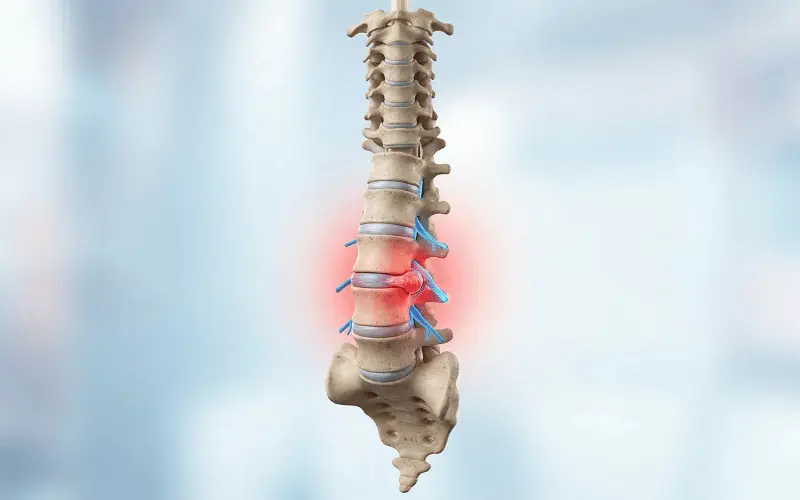
For pain spreading from the back into a leg or from the neck into an arm, you may hear the Turkish term ‘nokta atışı’, meaning a targeted injection. It does not describe one standard procedure and often refers to injections around a particular nerve root. This guide focuses on assessment, expectations and follow-up.
What is a nerve root injection intended to do?
A transforaminal epidural injection targets the area around a nerve root as it leaves the spine. A local anaesthetic and steroid may be used when appropriate. Imaging guides the procedure. The aim is pain relief in selected patients; an injection does not physically remove a herniated disc and does not help everyone.
A diagnostic nerve block and a therapeutic injection may have different goals. Temporary relief does not prove every cause of pain with absolute certainty. Ask which procedure is proposed and why.
When might it be considered?
Pain radiating into a leg or arm may suggest nerve involvement, but its distribution alone does not establish a diagnosis. History, examination and relevant investigations are considered together. Not every case of back pain or disc finding on MRI requires an injection.
Previous treatment, symptom duration and daily impact matter. Read our lumbar disc and cervical disc information when preparing for assessment.
When does relief start and how long does it last?
Local anaesthetic may give temporary relief; a steroid effect may develop later. The onset and duration vary. There may be no benefit, or pain may return. A fixed success rate, recovery day or permanent result cannot be promised to everyone.
Track walking, sleep, work and daily movement as well as pain. Choose two or three activities you can compare before and after treatment, such as uninterrupted walking time or night-time waking.
What should you disclose beforehand?
- Prescription medicines, blood thinners and supplements.
- Diabetes, infection, allergies and previous injection experiences.
- Pregnancy or possible pregnancy.
- When symptoms began and whether weakness is progressing.
- Previous investigations and treatment benefits.
Do not stop medicines independently. Ask the treating team for personal instructions about fasting, a companion, driving and work. Do not substitute another hospital’s online preparation protocol for your own plan.
Risks and follow-up
Possible complications include tenderness, bruising or bleeding, temporary pain increase, infection, headache, medication reactions and nerve injury. Steroids can affect blood glucose. Rare serious neurological complications also belong in the risk discussion. Imaging and careful technique help reduce risks but do not eliminate them.
Request written information about expected symptoms and signs requiring same-day help. New or increasing weakness or changes in bladder or bowel control should not wait until a routine follow-up.
Travelling to Antalya
If travelling from Isparta or Burdur, clarify the assessment appointment, documents and need for a companion first. Do not assume a same-day procedure before suitability is established. See our image-guided injections page and contact details.
Publisher: Dr Serap Erkeç Alkan Clinic. This article provides general information and does not replace an individual diagnosis or treatment plan. Treatment decisions require a clinical assessment.

