
Sports Rehabilitation: A Step-by-Step Return to Activity

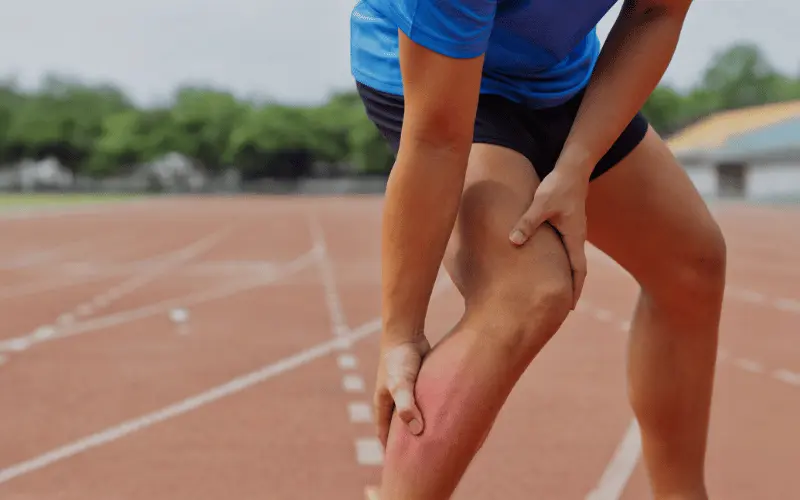
Sport is an important part of life, but injury can affect physical function, confidence and an athlete’s career. Sports rehabilitation brings these needs together in an individual programme designed to restore function and reduce the risk of another injury. The aim is an appropriate, safe return rather than simply the earliest possible date.
Principles of an individual rehabilitation programme
- Personalised goals: programmes consider the sport, injury and particular movement or strength deficits.
- Coordinated care: depending on the injury, the team may include a physical medicine specialist, orthopaedic surgeon, sports physician, physiotherapist and sports psychologist.
- Active rehabilitation: exercise, balance, joint-position awareness and sport-specific strengthening form the core. Passive treatments may support symptom management where appropriate.
- Confidence and readiness: fear of reinjury deserves attention alongside physical recovery.
A progressive return to sport
Progression between stages depends on clinical and functional criteria, rather than a calendar alone.
1. Early assessment and protection
Initially, care focuses on assessing the injury and managing pain and swelling. Protection, suitable support, cold application and elevation may be considered according to the injury and professional advice. The injured area should not be repeatedly loaded through severe pain. Examination and imaging, when indicated, help establish the next steps.
2. Restoring movement and capacity
As recovery allows, the programme works towards restoring range of movement and tissue capacity. It may include joint or soft-tissue techniques, controlled stretching and progressive strengthening. Suitable aerobic activity, such as cycling or pool exercise, may help maintain fitness if it does not compromise the injury.
3. Functional rehabilitation and neuromuscular control
Balance, coordination, reaction and movement control are developed progressively. Depending on readiness, exercises may include supported balance work, single-leg tasks and strengthening in several directions. Agility, faster movement and jumping are introduced only when appropriate, rather than being used as unsupervised early tests.
4. Sport-specific preparation and testing
The programme gradually reproduces the demands of the sport: running speed and endurance, kicking, jumping and landing, or changes of direction. Strength and functional performance are assessed together. No single percentage determines readiness for every injury. Symptoms, movement quality, workload tolerance and confidence also matter.
Reducing the risk of another injury
Rehabilitation aims to address movement and strength deficits, but cannot guarantee better performance than before injury or eliminate reinjury risk. Assessment may identify relevant running, throwing or landing patterns. Ongoing strength and movement-control programmes, suitable equipment and a balanced training and rest plan can support return.
Less pain alone does not establish readiness. The timing of return depends on the injury, examination and functional tests. Follow-up with the doctor and physiotherapist helps adapt the programme; recovery speed and attainable performance differ between people.
Learn about sports rehabilitation in Antalya or contact the clinic for an assessment enquiry.
Publisher: Dr Serap Erkeç Alkan Clinic. This article provides general information and does not replace an individual diagnosis or treatment plan. Treatment decisions require a clinical assessment.

