
Physical Medicine and Rehabilitation in Antalya: An Overview of Care

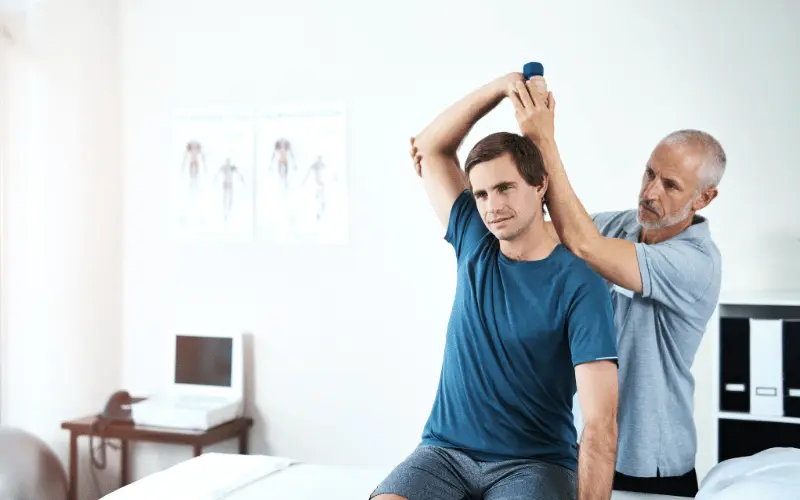
Physical medicine and rehabilitation focuses on movement, daily function and quality of life. At Dr. Serap Erkeç Alkan’s clinic in Muratpaşa, Antalya, assessment considers the symptoms, medical history and practical goals of each patient. Treatment planning may bring together exercise, rehabilitation, medicines and selected procedures when appropriate.
The foundations of rehabilitation
This medical specialty addresses musculoskeletal and neurological conditions and their effect on function. A useful plan looks beyond a pain score to walking, sleep, work, self-care and participation. Technology can support care, but does not replace clinical assessment or make one treatment suitable for everyone.
Dr. Serap Erkeç Alkan’s background includes medical education at Ankara University. Learn more on the about page. The clinic homepage introduces the main areas of care.
Back and neck health
Lumbar disc herniation
Assessment brings together symptoms, muscle strength, nerve findings and relevant imaging. Exercise, medicines, selected injections and surgery each have a place depending on the individual. Terms such as bulging, protrusion and extrusion describe imaging appearances; they do not automatically prescribe a particular injection or determine the severity of symptoms.
A rehabilitation programme may work on movement tolerance, strength and everyday activity. An injection should be discussed in terms of its exact target, supporting evidence and risks. See lumbar disc herniation.
Neck pain and arm symptoms
Neck pain and numbness in the arm can have several causes. Appropriate exercise and other options are selected after assessment. No method can guarantee permanent relief or freedom from medication. See cervical disc conditions.
Joint and tendon conditions
Knee osteoarthritis
Knee arthritis can affect walking, stairs and activity. Care may involve education, tailored exercise, weight management where relevant, medicines and selected procedures. PRP and cell-based approaches have different evidence bases and should not be presented as guaranteed cartilage repair or substitutes for every knee replacement. The knee conditions page explains the assessment context.
Shoulder and elbow problems
Frozen shoulder, rotator cuff problems and elbow tendinopathy can interfere with reaching, lifting and gripping. Management depends on the diagnosis and functional demands. Discuss the evidence and alternatives before considering mesotherapy, prolotherapy or other injections. Read about shoulder conditions and elbow conditions.
Neurological rehabilitation
Neurological conditions may affect strength, coordination, balance and muscle tone. Rehabilitation uses meaningful, repeated practice and individual goals to support function. Neuroplasticity helps explain the capacity for adaptation, but does not promise full recovery.
After stroke
Rehabilitation may address weakness on one side, walking, balance and hand function. The programme and intensity depend on medical stability, ability and goals. Recovery differs between people. See neurological rehabilitation.
Spinal cord injury
The priority is to make the best use of available function and support independence. Positioning, strength, transfers, mobility, skin care and appropriate equipment may be relevant. Bladder, bowel and spasticity management require coordinated specialist care. Spinal cord injury rehabilitation should be planned around the level and extent of injury.
Parkinson’s disease and multiple sclerosis
Goals can include maintaining activity and reducing falls. Parkinson’s rehabilitation may use movement cues and balance work; programmes for multiple sclerosis may address fatigue and strength. Plans should adapt to symptoms and medical treatment.
Children and cerebral palsy
Children’s rehabilitation must account for growth and development. Cerebral palsy affects movement and posture, with needs varying widely. Assessment may guide movement practice, positioning, orthoses and selected treatments for muscle overactivity. Functional classifications can inform planning, but do not determine one fixed outcome. Family goals and participation are central. See cerebral palsy rehabilitation.
Injection and complementary approaches
These methods need to be considered separately, according to diagnosis, evidence and risk:
- Prolotherapy generally involves injections containing dextrose. Structural repair and lasting benefit cannot be guaranteed.
- PRP concentrates platelets from the patient’s own blood. Its biological contents do not establish effectiveness for every condition.
- Mesotherapy uses small injections of selected substances into superficial tissues. Local administration does not eliminate systemic effects or other risks.
- Neural therapy uses local anaesthetic injections in proposed regulatory approaches. Claims of a nervous-system ‘reset’ should not replace measurable clinical outcomes.
Selected pain-management procedures
Botulinum toxin for chronic migraine requires diagnosis, eligibility assessment and follow-up. Radiofrequency procedures target selected pain pathways and do not suit every back or neck complaint. Dry needling uses fine needles without an injected medicine for selected muscle-related complaints; this does not make it risk-free.
Orthopaedic and sports rehabilitation
After injury or surgery, rehabilitation aims to restore movement and capacity while respecting healing tissues. Strength, balance, movement quality and task-specific practice can support return to work or sport. Timing is individual. See orthopaedic rehabilitation and sports rehabilitation.
Planning care in Antalya
International and out-of-town patients should confirm the assessment, proposed treatment, fees, follow-up and travel requirements before booking a trip. Climate and holiday opportunities do not establish a treatment’s effectiveness or suitability. Ask about the particular services needed rather than assuming every technology discussed in general rehabilitation literature is available at the clinic.
Patient experiences can illustrate communication and care, but do not predict another person’s outcome. A useful plan explains the diagnosis, choices, realistic goals and review arrangements. See our health tourism information and contact details.
Publisher: Dr Serap Erkeç Alkan Clinic. This article provides general information and does not replace an individual diagnosis or treatment plan. Treatment decisions require a clinical assessment.

