
Exosomes and Stem Cells for Osteoarthritis: Differences and Questions to Ask

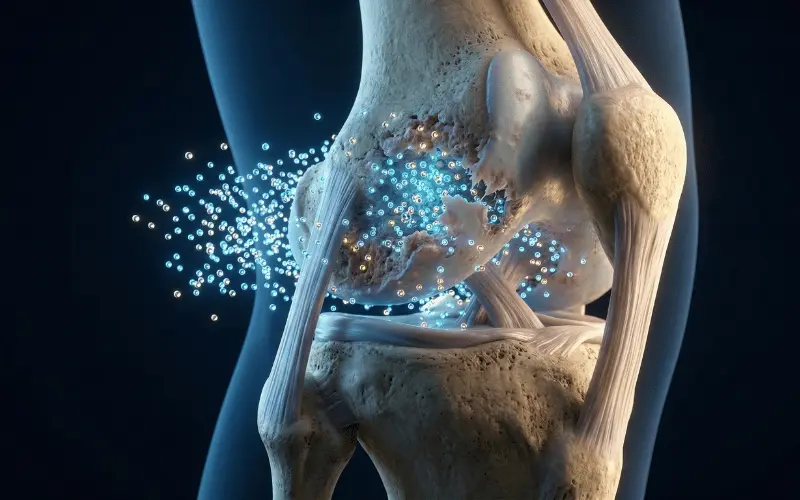
When researching exosomes and stem cells for osteoarthritis, distinguish how a treatment might work from how much benefit has been demonstrated in patients. Laboratory findings alone do not prove that cartilage will regrow or surgery will be avoided. This guide explains the concepts and helps you prepare questions.
Are exosomes and stem cells the same?
No. Stem cells are living cells. Exosomes are small vesicles released by cells that participate in transferring substances and signals between cells. A cell-free product is not automatically safer or more effective. Its source, preparation, contents and administration can affect outcomes.
Terms such as ‘regenerative’, ‘biological’ or ‘from your own tissue’ do not establish proven effectiveness. Different products marketed under the same name are not interchangeable. The precise substance or cell preparation should be explained.
How should cartilage repair claims be assessed?
Less pain, easier movement and changes in cartilage structure are different outcomes. An improvement in a pain score does not mean the whole joint has been restored. Similarly, a positive laboratory experiment does not establish the same benefit in people.
Do not base decisions on absolute claims that exosomes are superior to stem cells, permanently improve every patient or eliminate the need for joint replacement. Ask whether research involved people, had a comparison group, included meaningful follow-up and recorded adverse outcomes.
Where does osteoarthritis assessment begin?
Assessment considers pain location, daily impact and previous treatment. NICE guidance includes tailored therapeutic exercise and, where appropriate, weight management as core approaches. Medicines and other interventions depend on individual needs and risks. An injection study does not automatically replace this care.
Record the effects on stairs, walking, sitting and sleep. Ask how symptoms relate to examination findings rather than selecting a procedure from one phrase in an MRI report. Our knee conditions page provides related information.
Questions to ask about a proposed treatment
- What is the exact product and its source?
- Which human studies apply to my diagnosis and disease severity?
- Is the intended benefit less pain or improved function, and how will it be measured?
- What are the alternatives, including care without this procedure?
- What are the risks, follow-up arrangements and next steps if it does not help?
- Which documents establish the product’s and procedure’s authorisation in Türkiye?
Safety and authorisation
The US FDA has warned about unapproved regenerative products marketed for orthopaedic conditions. These statements describe US regulation and do not by themselves establish the legal status of a product in Türkiye. The proposed product and procedure require separate checks against current Turkish requirements.
‘Natural’ and ‘cell-free’ do not mean risk-free. Infection and other adverse effects should be discussed for the particular product and procedure. Share your medical conditions and medication list.
Preparing for an appointment in Antalya
Organise previous investigations and treatments, including how much they helped, in date order. If travelling from Burdur or Isparta, confirm the appointment and required records. Do not assume a particular injection will be performed at the first visit. See our contact and opening hours.
Publisher: Dr Serap Erkeç Alkan Clinic. This article provides general information and does not replace an individual diagnosis or treatment plan. Treatment decisions require a clinical assessment.

