
Knee Osteoarthritis: Early Symptoms and Treatment Options

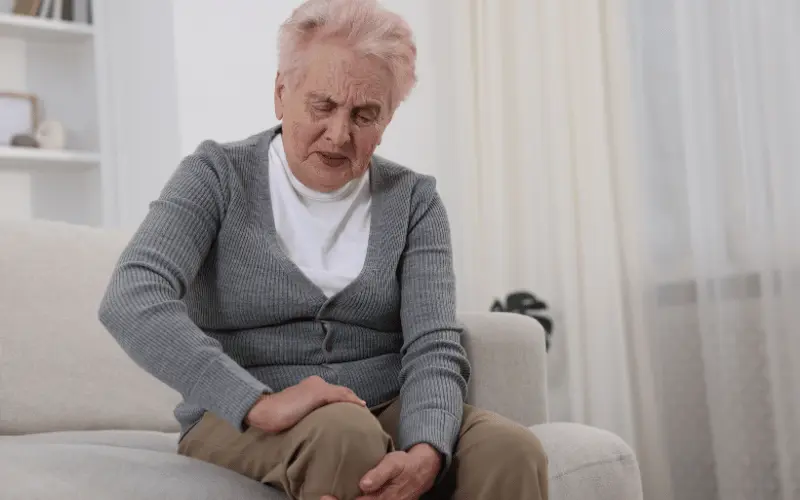
Knee osteoarthritis, also called gonarthrosis, can cause pain, stiffness and difficulty with walking or stairs. It affects the whole joint, including cartilage, bone, the joint lining and surrounding structures. It is more complex than simple wear and tear.
Symptoms and progression vary. Early assessment can help establish a useful plan, but no treatment should be promised to completely stop the condition or restore a joint to its original state.
What changes in the joint?
Cartilage helps joint surfaces move smoothly. In osteoarthritis, changes in cartilage occur alongside changes in the underlying bone and other tissues. Bony outgrowths, known as osteophytes, may develop, and the joint lining may become irritated.
The amount of change on an X-ray does not always match the level of pain. Treatment should be guided by symptoms, function and goals, not a scan alone.
Factors associated with knee osteoarthritis
Age, previous injury, excess body weight and joint alignment can influence risk. Muscle weakness and difficulty staying active may also affect function. Osteoarthritis is not inevitable for every older person, and exercise is not automatically harmful to the knee.
After a sports injury or operation, an appropriate rehabilitation programme helps restore capacity. See sports rehabilitation.
Common early symptoms
- Pain during or after weight-bearing activity.
- Stiffness after rest or when first getting up.
- Difficulty with stairs, squatting or longer walks.
- Occasional swelling or reduced movement.
- Grinding or crackling sensations, although noise alone does not diagnose arthritis.
Morning stiffness in osteoarthritis is often relatively brief. Prolonged stiffness, persistent warmth or swelling in several joints may suggest another condition. A suddenly hot swollen knee, fever or inability to bear weight requires prompt assessment.
Diagnosis and X-ray grading
Typical osteoarthritis can often be diagnosed clinically. Imaging is not required for everyone, but may be useful when features are unusual or another diagnosis is suspected.
The Kellgren-Lawrence scale describes radiographic changes from doubtful findings to more marked joint-space narrowing, osteophytes and bone changes. It does not determine pain severity or automatically assign a treatment to a person.
Core non-surgical care
Information and tailored exercise
A programme may include strength, mobility and aerobic activity, selected for your ability and preferences. Walking, cycling or water-based activity may be suitable options. Some initial discomfort does not necessarily mean damage, but significant or persistent worsening calls for adjustment.
There is no universal ban on stairs, resistance exercise or running solely because of an osteoarthritis diagnosis. Loading should be individualised. Orthopaedic rehabilitation can help with progression and daily function.
Weight management and practical support
Where appropriate, weight management can improve symptoms and reduce joint load. Supports, walking aids or changes to daily tasks may help selected people. These decisions should be practical and collaborative.
Medicines
Topical anti-inflammatory medicines may be considered for knee pain. Oral medicines need a review of gastrointestinal, kidney, cardiovascular and other risks, as well as interactions. Ask a clinician or pharmacist which option is suitable.
Injections: benefits and limitations
Corticosteroid injections may provide short-term relief in selected cases. Hyaluronic acid injections are sometimes offered, but recommendations differ; NICE advises against their routine use for osteoarthritis. They are not a liquid replacement for a prosthetic joint.
PRP has been studied with varying results and preparation methods. Cell-based and exosome products remain investigational for many musculoskeletal applications and should not be promised to regrow cartilage. No injection has a guaranteed duration of benefit.
Risks include pain flare, bleeding, infection and product-specific reactions. Discuss the evidence for your condition, alternatives and costs. Read about PRP and cell-based treatment information.
Radiofrequency and other pain procedures
Genicular nerve radiofrequency treatment may be considered for selected persistent knee pain. It targets pain signalling and does not repair cartilage. Radiofrequency ablation and cryoanalgesia are different techniques: the former uses radiofrequency energy, while the latter uses cold.
Dry needling or other procedures may address particular accompanying symptoms, but are not essential for everyone. Glutathione infusions are not an established core treatment for knee osteoarthritis.
When is surgery discussed?
Joint replacement may be considered when symptoms substantially affect quality of life and suitable non-surgical management is ineffective or unsuitable. The decision is not based solely on an X-ray grade, and a patient does not need to try every experimental injection first.
Discuss likely benefits, risks, rehabilitation and personal priorities with the appropriate specialist.
Frequently asked questions
Can osteoarthritis disappear completely?
There is no established way to restore every affected joint to its original structure, but symptoms and function can often be improved.
Does an injection replace missing joint fluid?
That description oversimplifies the condition. Ask what the product does and what clinical benefit is supported.
Is PRP or a cell-based injection better?
There is no universal answer. Product-specific evidence, uncertainty, risks and established alternatives need discussion.
What exercise should I do?
Choose a tailored programme that builds strength and activity tolerance, with progression based on response.
See knee conditions or contact the clinic in Antalya for an assessment enquiry.
Further reading: NICE osteoarthritis guidance.
Publisher: Dr Serap Erkeç Alkan Clinic. This article provides general information and does not replace an individual diagnosis or treatment plan. Treatment decisions require a clinical assessment.

