
Dry Needling for Myofascial Pain: Benefits, Limits and What to Expect

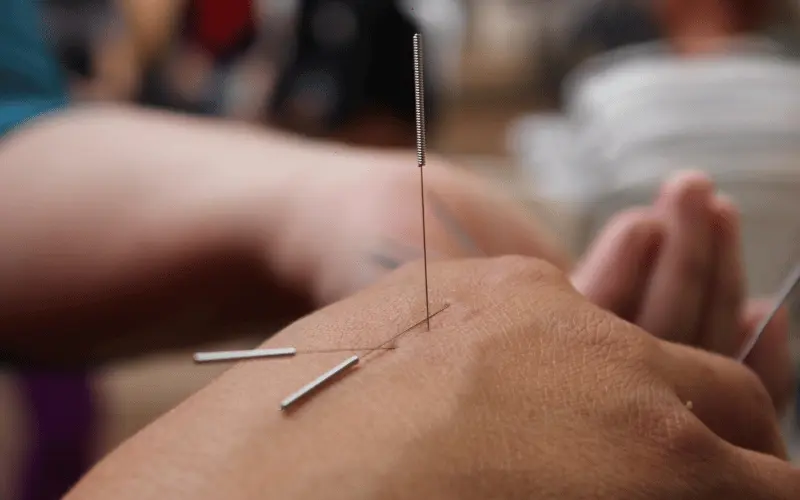
Persistent muscle tenderness and stiffness can interfere with work, sleep and movement. Dry needling is one option sometimes used for myofascial pain. Its suitability depends on the diagnosis and the person’s preferences, health and response to other care.
What is myofascial pain?
Myofascial pain refers to regional pain associated with muscles and surrounding connective tissue. Clinicians may identify sensitive areas within taut muscle bands, often called trigger points. Pressure can reproduce local pain or discomfort felt elsewhere.
An active trigger point is associated with familiar symptoms; a latent point may be tender only when pressed. These clinical concepts have limitations and should be considered alongside the whole examination. Tenderness alone does not rule out a nerve, joint or other medical problem.
Why do muscles become persistently sensitive?
Proposed mechanisms include altered activity at the neuromuscular junction, local chemical changes and changes in pain processing. These are areas of research rather than a complete explanation for every patient’s pain.
Repeated loading, prolonged positions, injury, stress and sleep disruption can contribute. Other medical conditions may also be relevant. Assessment should guide any testing; not everyone with muscle pain needs broad vitamin or hormone investigations.
What is dry needling?
A trained practitioner inserts a fine, sterile, solid needle into selected tissue. No medicine or liquid is injected, which is why the procedure is called ‘dry’. A trigger-point injection using local anaesthetic is a different intervention.
Dry needling and acupuncture may use similar needles, but their clinical rationale and application can differ. Neither label by itself tells you whether a particular technique is suitable for your symptoms.
How might it help?
Needling may influence local sensitivity and pain signalling. A brief involuntary muscle twitch can occur during treatment, but it is not a guarantee of benefit and is not the only measure of a successful session.
Research suggests that dry needling may provide short-term relief for some musculoskeletal pain conditions. Results vary, and long-term superiority over other approaches is less clear. Findings from one body region should not be applied to every condition.
When may it be considered?
It may be discussed for selected neck, back, shoulder or other regional muscle symptoms. It is not a universal treatment for migraine, fibromyalgia, tendon tears or joint disease. An individual assessment is especially important when pain is accompanied by numbness, weakness, fever or other unusual symptoms.
Related information is available on shoulder conditions, elbow conditions and cervical disc problems.
What happens at a session?
The clinician reviews symptoms, medical history and relevant medicines, examines the area and explains the proposed treatment. After consent, the skin is prepared and sterile needles are used. Technique, needle retention time and session length vary with the target and protocol.
You may feel a prick, a brief ache, pressure or a twitch. Tell the practitioner if the discomfort is excessive or if you feel faint. You can ask to stop at any point.
Aftercare and side effects
Temporary soreness, small bruises and minor bleeding can occur. Follow the individual advice about movement and activity. More soreness does not indicate a better response, and no special amount of water is required to ‘flush out toxins’.
Less common but potentially serious complications include infection, nerve or blood-vessel injury and, when needling near the chest, pneumothorax. New chest pain or breathlessness after treatment needs urgent medical attention. Seek advice for worsening pain, fever, increasing redness or new weakness.
Who needs additional assessment?
Tell the clinician about bleeding disorders, anticoagulant use, immune suppression, pregnancy, skin infection, implanted devices and previous fainting with needles. These factors may change the technique or make another option preferable. Do not stop prescribed blood-thinning medicine independently.
A suitably trained practitioner’s anatomical knowledge and infection-control procedures matter, but experience does not make the procedure risk-free.
Where does it fit in rehabilitation?
Dry needling is best considered as one possible component of care. Exercise, graded loading, movement confidence and adjustments to aggravating activities address function beyond the treatment session. The plan should reflect your goals and progress.
For sport or post-injury recovery, see sports rehabilitation and orthopaedic rehabilitation. Other injections or procedures should only be added for their own specific indication.
Frequently asked questions
How many sessions are needed?
There is no fixed number. Agree a review point and reassess if there is no meaningful improvement.
When might I notice a change?
Some people notice a short-term change after a session; others do not. A lasting result cannot be guaranteed.
Is it the same as a steroid injection?
No. Dry needling does not inject a drug.
Can it solve the problem on its own?
It may help symptoms, but an active rehabilitation plan and attention to relevant contributing factors remain important.
Read more about dry needling or contact the clinic in Antalya for an assessment enquiry.
Publisher: Dr Serap Erkeç Alkan Clinic. This article provides general information and does not replace an individual diagnosis or treatment plan. Treatment decisions require a clinical assessment.

