
Knee Pain in Antalya: PRP, Radiofrequency and Rehabilitation

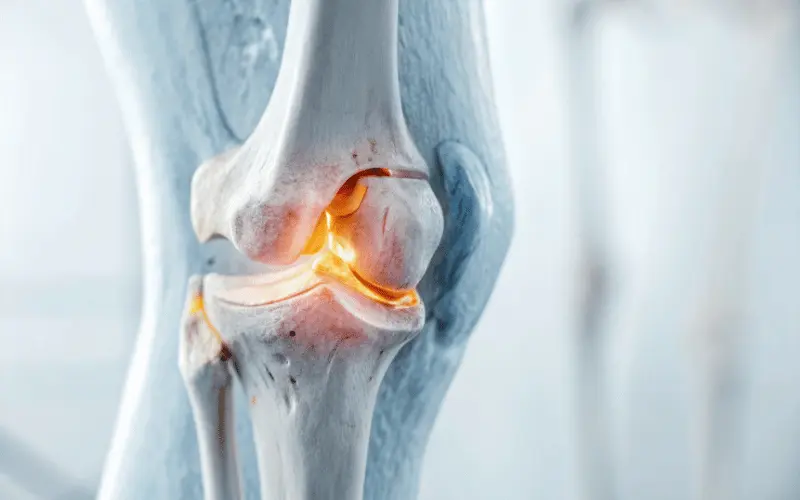
Knee pain can limit walking, stairs, work and independence. Assessment needs to identify the condition and its impact before choosing a treatment. PRP, radiofrequency procedures and rehabilitation have different purposes; none should be offered simply because it is described as modern or regenerative.
Knee structure and movement
The knee brings together the thigh bone, shin bone and kneecap. Menisci, ligaments and muscles contribute to stability and movement. Articular cartilage provides a smooth joint surface, but its capacity for repair is limited. Loads vary with the activity, speed, strength and other factors; a general load estimate does not determine an individual’s treatment.
Osteoarthritis and its assessment
Osteoarthritis involves changes across the joint, rather than cartilage alone. Symptoms may include pain, stiffness and reduced activity. X-ray grading systems, including Kellgren–Lawrence, describe features such as osteophytes and narrowing of the joint space.
A mild or severe X-ray grade does not automatically dictate PRP, radiofrequency or surgery. Symptoms, examination, function and previous treatment matter. Exercise and relevant weight-management support are important components of care. Discuss medicines and procedural options according to individual benefits and risks.
PRP: biological rationale and clinical evidence
Platelet-rich plasma is prepared from a patient’s blood, usually by centrifugation. Platelets contain substances involved in tissue responses, including growth factors such as PDGF and TGF-beta. Research into these mechanisms should be distinguished from demonstrated patient outcomes.
Less pain or improved function does not prove that lost cartilage has regrown or osteoarthritis has stopped progressing. Preparation methods and platelet and white-cell contents differ. A particular platelet count is not a guarantee of success.
Questions about a PRP course
- What evidence applies to my severity of osteoarthritis?
- How is this preparation made, and why is this protocol proposed?
- How many injections are suggested, and when will benefit be reviewed?
- What are the alternatives and total treatment costs?
- If other treatments are combined, what evidence supports each addition?
Some selected patients may experience symptom improvement, but results vary and there may be no meaningful benefit. PRP is not risk-free because it comes from your blood. Infection, bleeding, bruising and temporary pain increase should be discussed. Avoidance of surgery and immediate return to all activities cannot be guaranteed.
Genicular nerve radiofrequency treatment
Radiofrequency ablation may be considered for selected persistent knee pain. It targets sensory nerve branches around the knee to reduce pain signalling. Commonly discussed targets include superior medial, superior lateral and inferior medial genicular branches, although techniques vary.
Imaging helps guide the procedure. The number of targets, use of a diagnostic block and type of radiofrequency treatment should follow the individual plan. More targets do not automatically mean a better result.
Realistic expectations
Radiofrequency treatment aims at symptom relief; it does not replace cartilage or reverse arthritis. The extent and duration of benefit vary, and pain may return. Repeat treatment requires reassessment rather than an assumption that it is always appropriate or risk-free. Follow the treating team’s recovery instructions instead of relying on a universal one- or two-day timetable.
It may be discussed when pain persists despite other care or when surgery is unsuitable or not currently preferred. That does not make it the standard answer for every patient who wishes to avoid knee replacement.
Rehabilitation as part of the plan
Rehabilitation should reflect age, activity, medical conditions and the treatment performed. Progress is based on clinical response rather than fixed dates.
Early protection and symptom management
After a procedure, follow instructions about the injection sites, activity and symptom control. Gentle movement or muscle activation may be appropriate if advised. Cold application is not a universal instruction for every procedure; use the plan provided.
Movement and gradual loading
As appropriate, the programme develops walking tolerance, joint movement and daily tasks. Balance exercises and changes in weight-bearing should be supervised or taught safely, particularly where there is a fall risk.
Strength and endurance
Quadriceps, hip and other lower-limb muscle training can support function. Resistance, exercise range and progression are individual. Suitable low-impact aerobic activity may include cycling or swimming when appropriate.
Return to daily demands
Later stages address work, stairs, longer walks or sport-specific tasks. A practical home programme and review arrangements help sustain participation. See orthopaedic rehabilitation.
Other injection approaches
Prolotherapy usually uses dextrose-containing injections. A sensation of the knee giving way requires assessment; it does not prove that an injection will strengthen ligaments or stabilise the joint.
Neural therapy and mesotherapy have different proposed mechanisms and evidence limitations. Local treatment does not remove all systemic or procedural risks. Each recommendation should have a specific rationale.
Weight, nutrition and general health
For people who are overweight, supported weight management may improve knee symptoms and function. Goals should be realistic and appropriate to general health. No specific amount of weight loss guarantees the same pain reduction or avoidance of surgery for everyone.
A balanced diet supports general health. Fish, nuts, vegetables and other nutritious foods may form part of an appropriate eating pattern, but no individual food, broth or supplement can be promised to repair cartilage. Discuss supplements, caffeine and nutritional concerns in the context of your health and medicines.
Technology and emerging approaches
Digital follow-up, wearable devices, virtual environments and robotic systems may support some rehabilitation programmes. They cannot eliminate error or guarantee faster recovery, and their availability should be confirmed rather than assumed.
Hydrogels, cell-based approaches and tissue-engineering methods differ substantially. Ask about the exact product, evidence, risks and authorisation. A new product should not be described as a universal replacement for knee arthroplasty.
Practical next steps
Seek an assessment instead of dismissing persistent knee symptoms as age alone. Agree a plan that explains the diagnosis, alternatives, exercise goals and review criteria. The need for surgery depends on symptoms, function and response to care; it cannot be predicted from a promotional claim.
Read our knee conditions information, learn about Dr. Serap Erkeç Alkan, or contact the clinic in Antalya.
Publisher: Dr Serap Erkeç Alkan Clinic. This article provides general information and does not replace an individual diagnosis or treatment plan. Treatment decisions require a clinical assessment.

