
Radiofrequency Ablation: Expectations, Risks and Follow-Up Questions

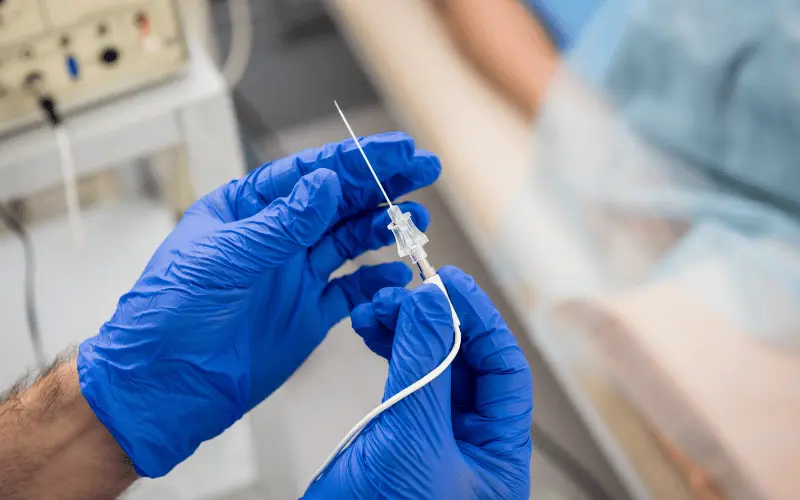
Radiofrequency ablation (RFA) aims to reduce pain signals carried by selected nerves. The same procedure is not suitable for every type of chronic pain. Assessment considers the suspected source, previous treatment and examination findings. This guide helps people researching radiofrequency treatment in Antalya prepare questions.
What does radiofrequency treatment aim to do?
Some techniques use a thin probe to deliver controlled heat to a targeted nerve. The aim is to reduce pain and improve daily movement. This does not mean that arthritis or a disc herniation has been removed. Techniques described as radiofrequency treatment differ, so ask for the exact name and purpose of the proposed procedure.
Why discuss a diagnostic block?
In suitable cases, a diagnostic injection may help assess whether a particular area contributes to pain. Recording the response can inform the next decision. A positive response does not guarantee that radiofrequency treatment will work, and pain may have more than one source.
Expectations for relief and recovery
The degree and duration of relief vary. Some patients have limited or no benefit; pain can return as nerve function recovers. Permanent recovery cannot be promised. An appropriate exercise and rehabilitation plan helps translate any relief into daily function.
Choose an activity that matters to you, such as walking, sleeping or sitting, rather than relying only on a pain score. Explain what you hope to do more comfortably so the same activity can be reviewed later.
Information to share before treatment
- List medicines and supplements, especially blood thinners. Do not stop them independently.
- Mention allergies, infection symptoms, diabetes, possible pregnancy and other illnesses.
- Record how much previous injections helped and for how long.
- Ask for individual instructions about fasting, a companion, travel and driving.
Risks and follow-up
RFA is not risk-free. Bruising, a temporary increase in pain, infection and nerve injury are among possible complications. Imaging and other precautions can reduce risks but cannot remove them. Your treating doctor should explain which risks are relevant to you.
Contact the healthcare team promptly after treatment if fever, increasing redness or swelling, new weakness or significant deterioration develops. Know the review date and whom to contact before the procedure. Follow the agreed plan for medication and exercise changes.
Questions for your consultation
- What pain source is being targeted, and which findings support it?
- Which technique is proposed, and what are the alternatives?
- When and how will benefit be assessed?
- What happens if there is insufficient improvement?
- What is my plan for returning to daily activities and exercise?
See our radiofrequency treatment page and clinic contact details.
Publisher: Dr Serap Erkeç Alkan Clinic. This article provides general information and does not replace an individual diagnosis or treatment plan. Treatment decisions require a clinical assessment.

